
NOHGA Hotel Kyoto
Kyoto, Japan
Kyoto, Japan
Kyoto is often presented as a fixed image.
Temples, narrow streets, fragments of tradition — all carefully framed, repeated, and consumed. What tends to disappear in that process is the present: a quieter layer where contemporary design, local craft and international influence coexist without needing to be declared.
Nohga Hotel Kyoto Kiyomizu operates within that layer.
Located between Kiyomizu and Gion, the hotel sits in one of the most exposed areas of the city — a district where historical identity and tourism density are in constant friction.
The project does not attempt to resolve that tension.
It steps aside from it.
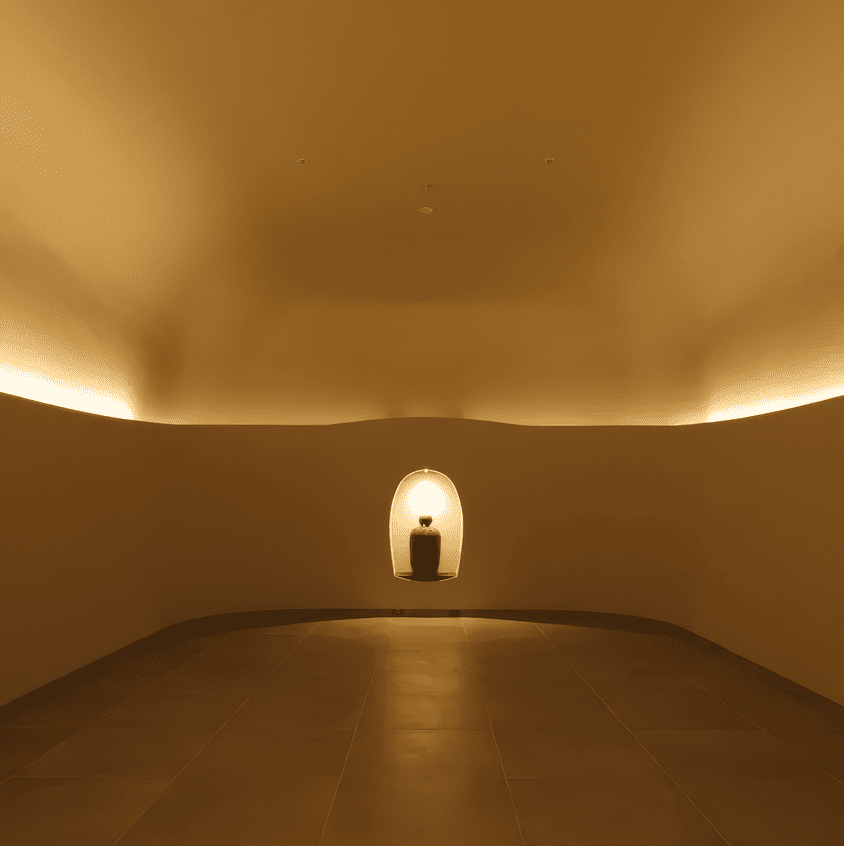
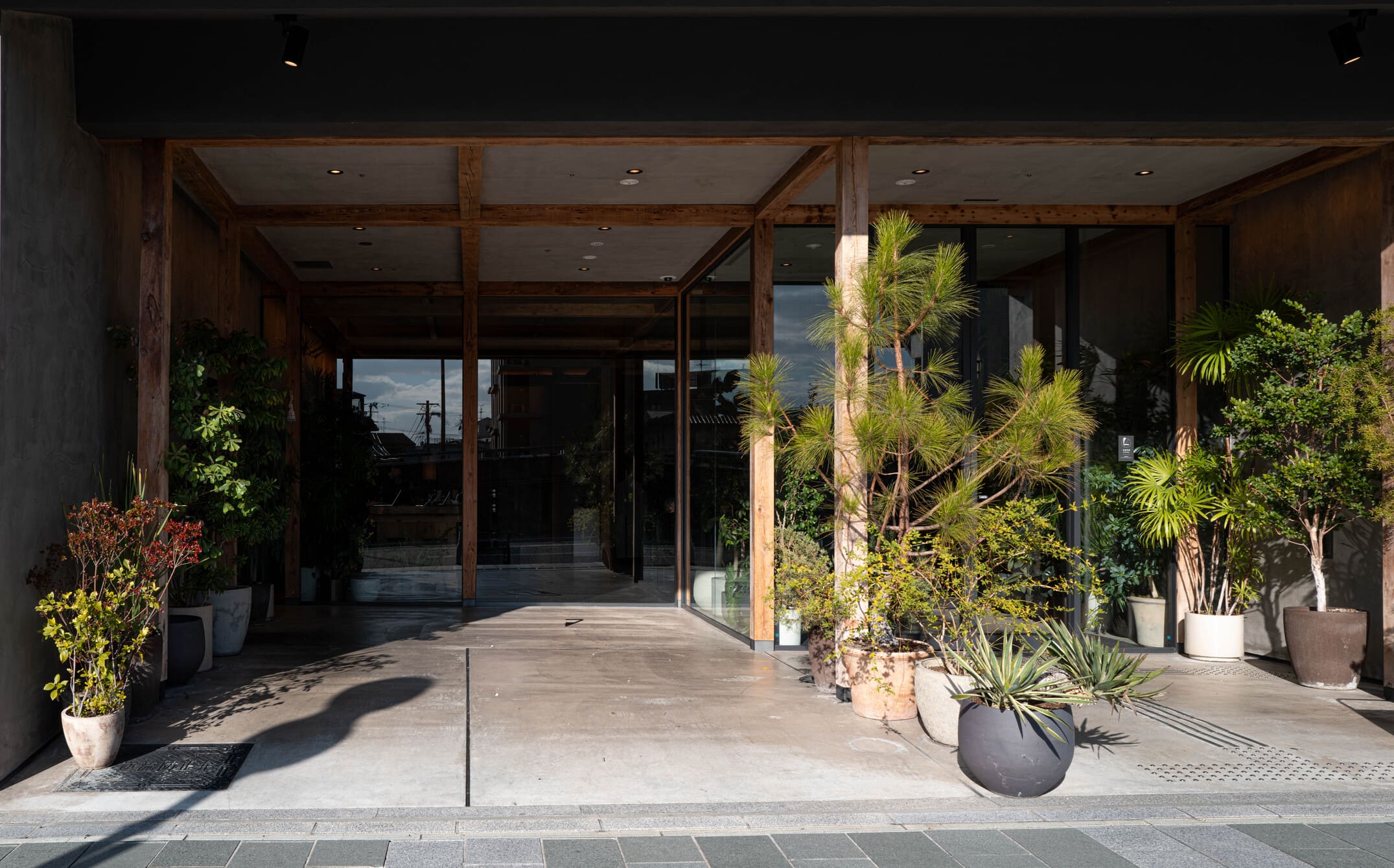
The architecture is deliberately restrained.
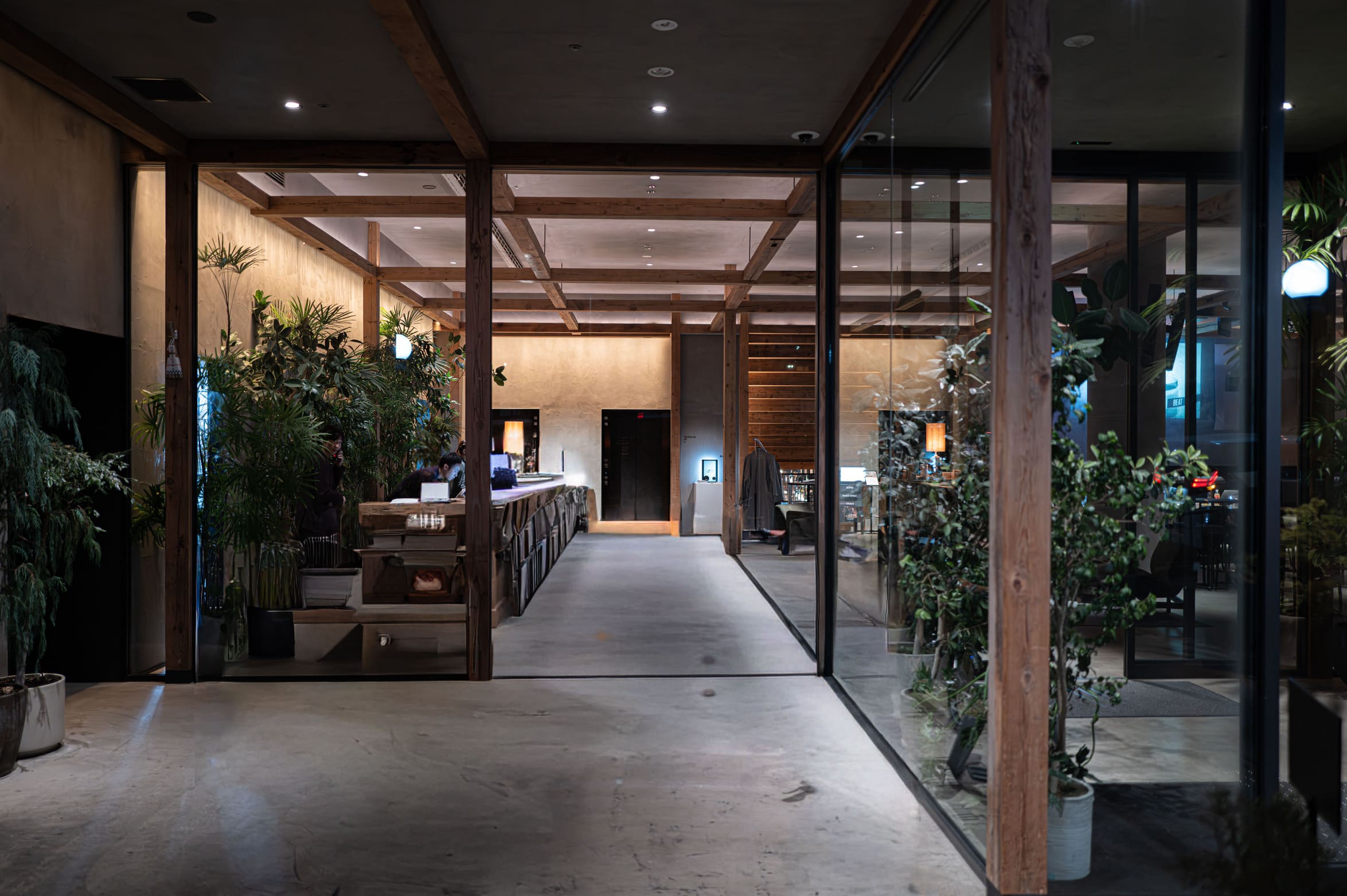
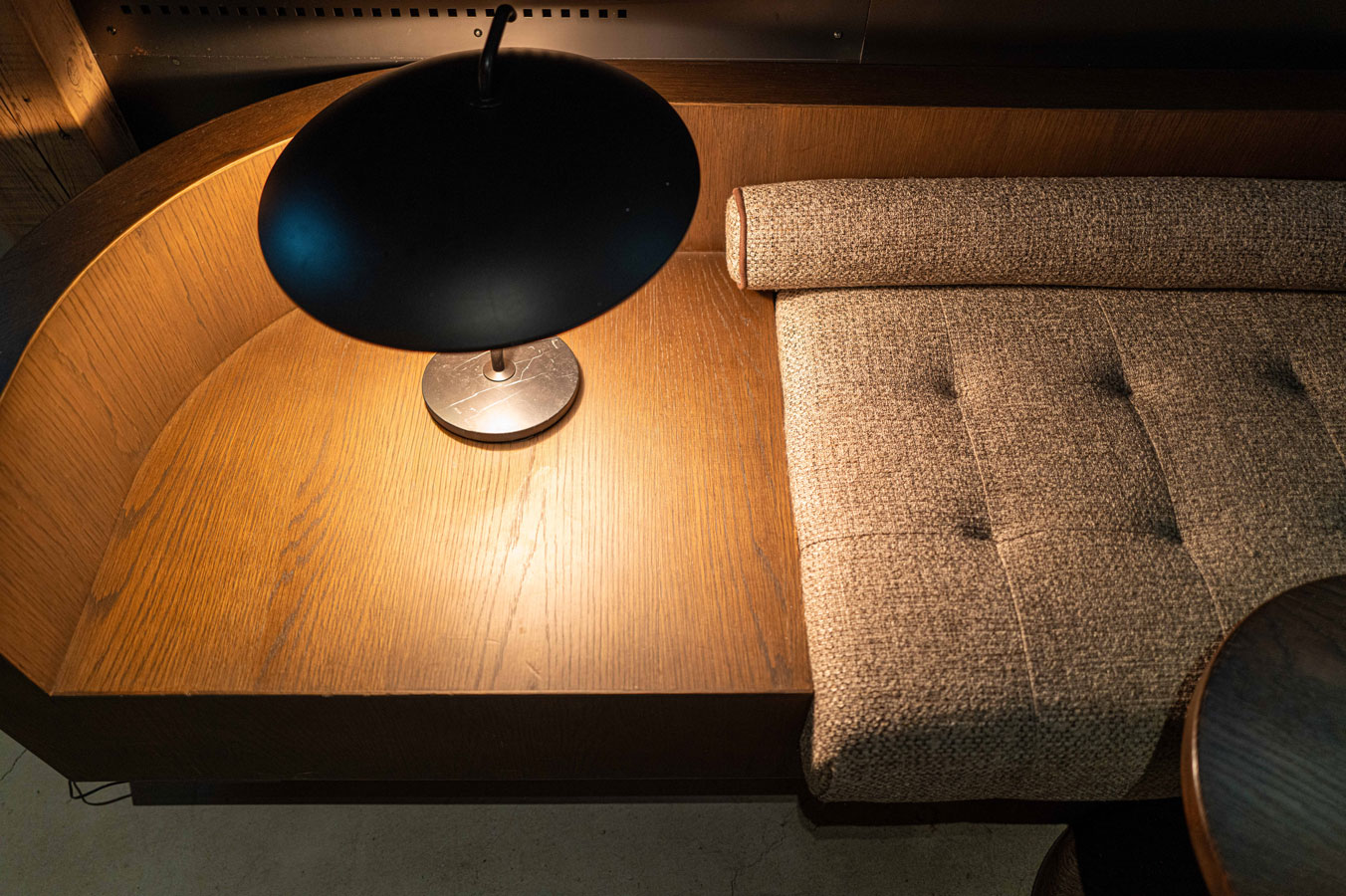
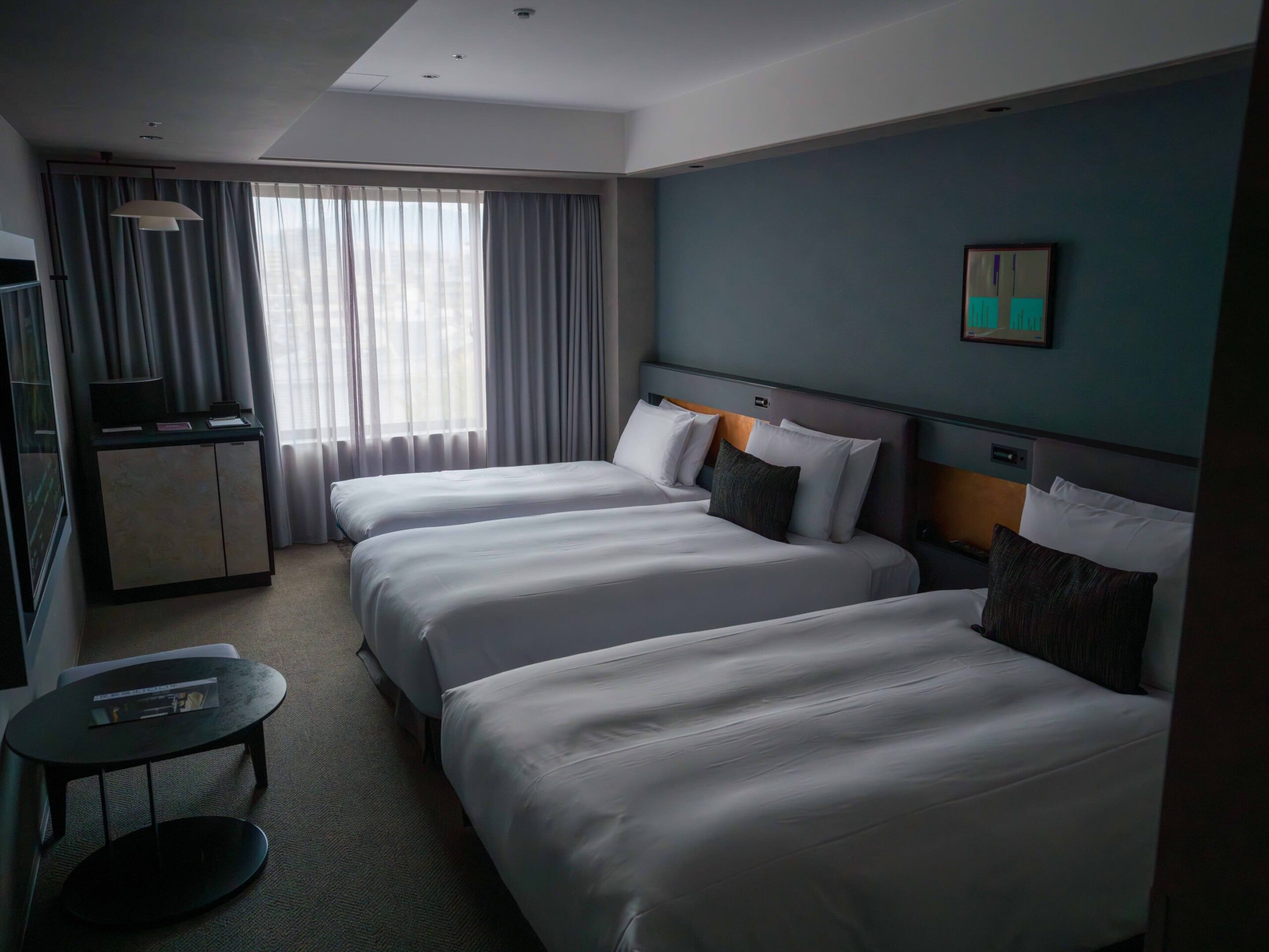
Materials are familiar — wood, stone, muted fabrics — but never nostalgic. References to Japanese spatial culture are present, yet reduced to proportion, surface and light rather than symbol.
Nothing is explicit.
Everything is controlled.
This control defines the photographic reading of the space.
There are no dominant gestures, no iconic rooms designed to capture attention immediately. Instead, the experience unfolds through sequences: a corridor that compresses, a surface that absorbs light, a detail that only becomes relevant in proximity.
The images do not describe the hotel.
They measure it.
Circulation carries more weight than destination.
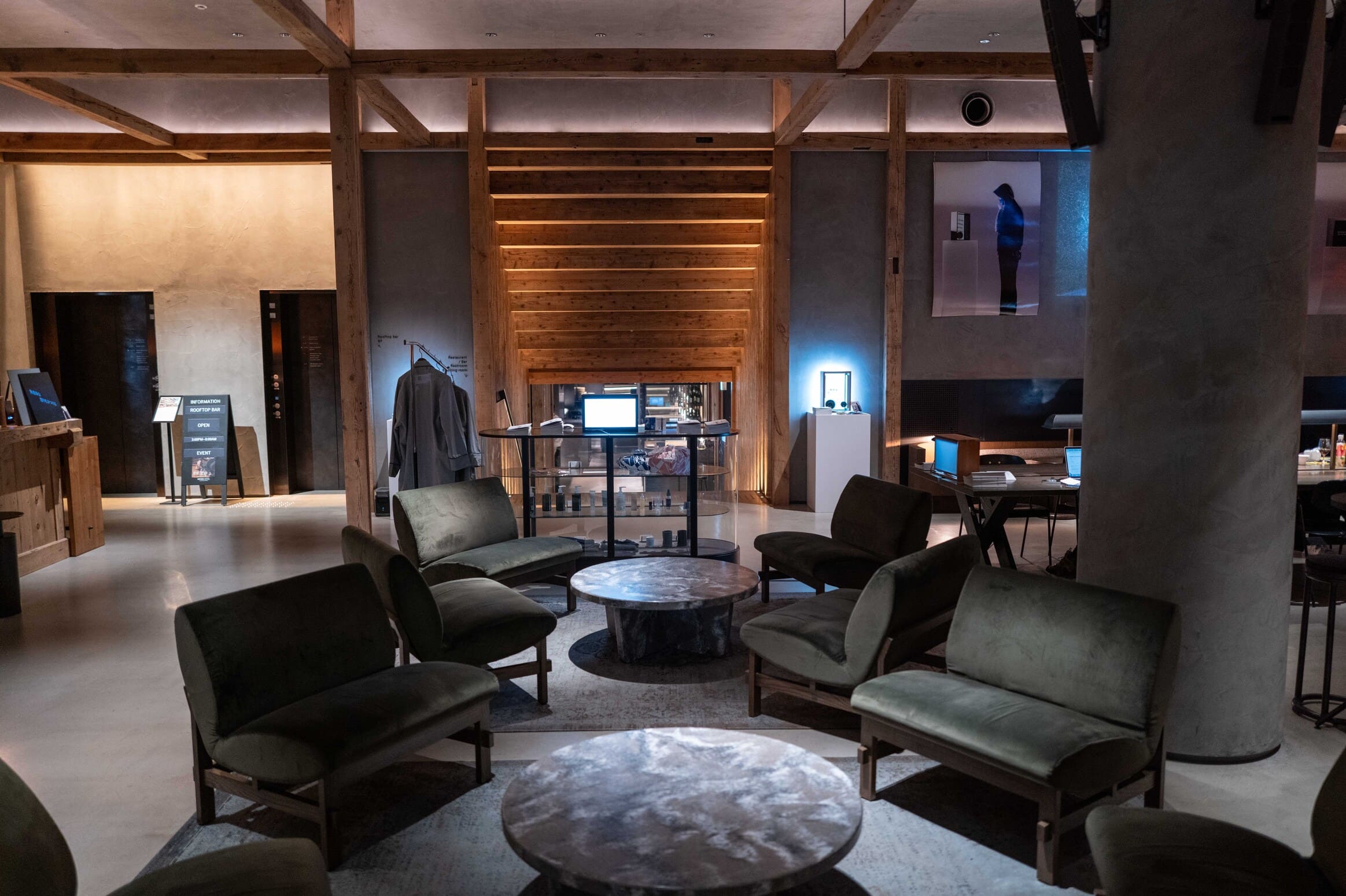
Common areas, transitions and thresholds are treated with the same precision as private rooms. The hotel is not structured around spectacle, but around continuity — a series of spaces that maintain a consistent tone rather than competing for visibility.
This extends to the program itself.
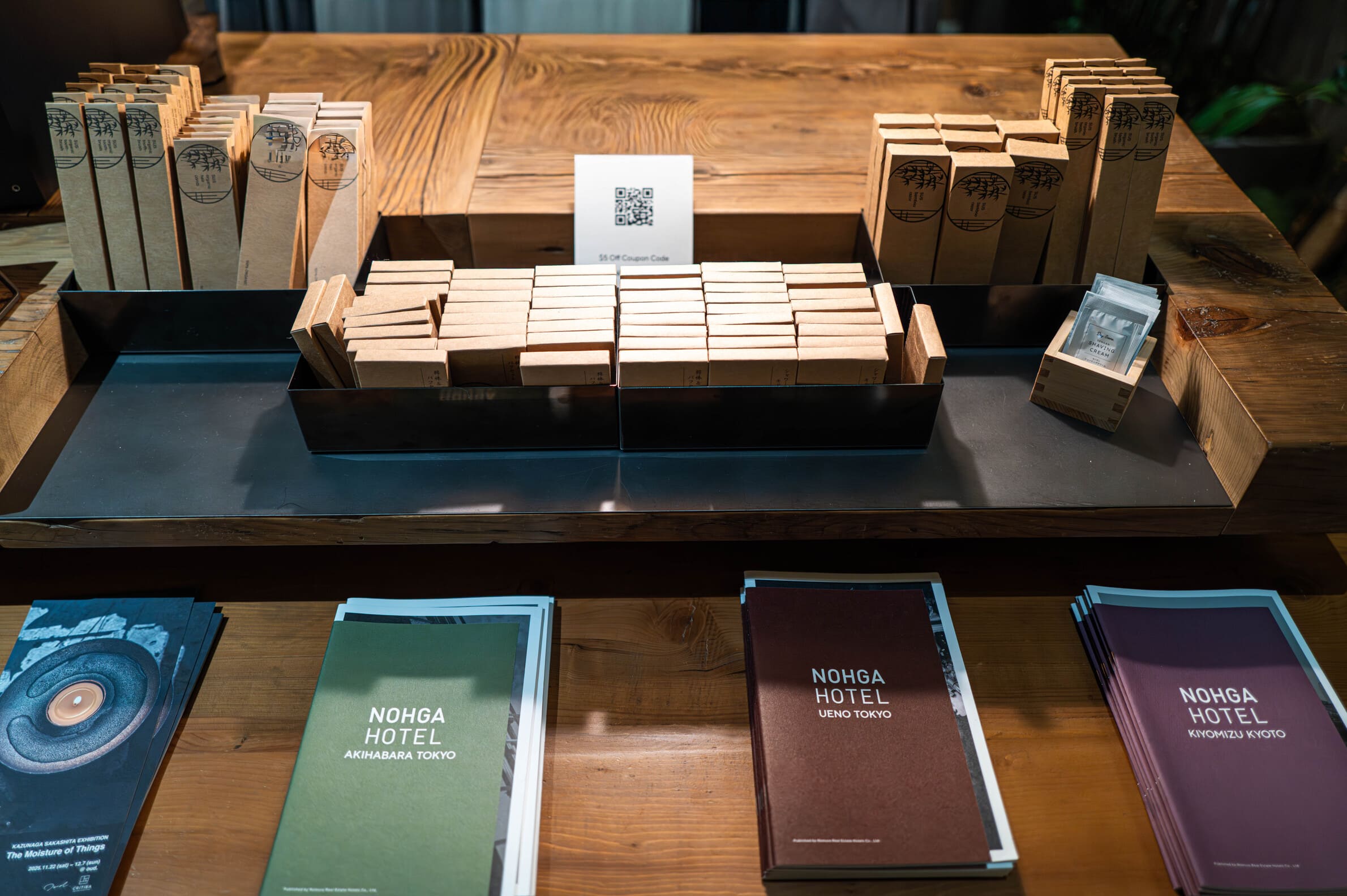
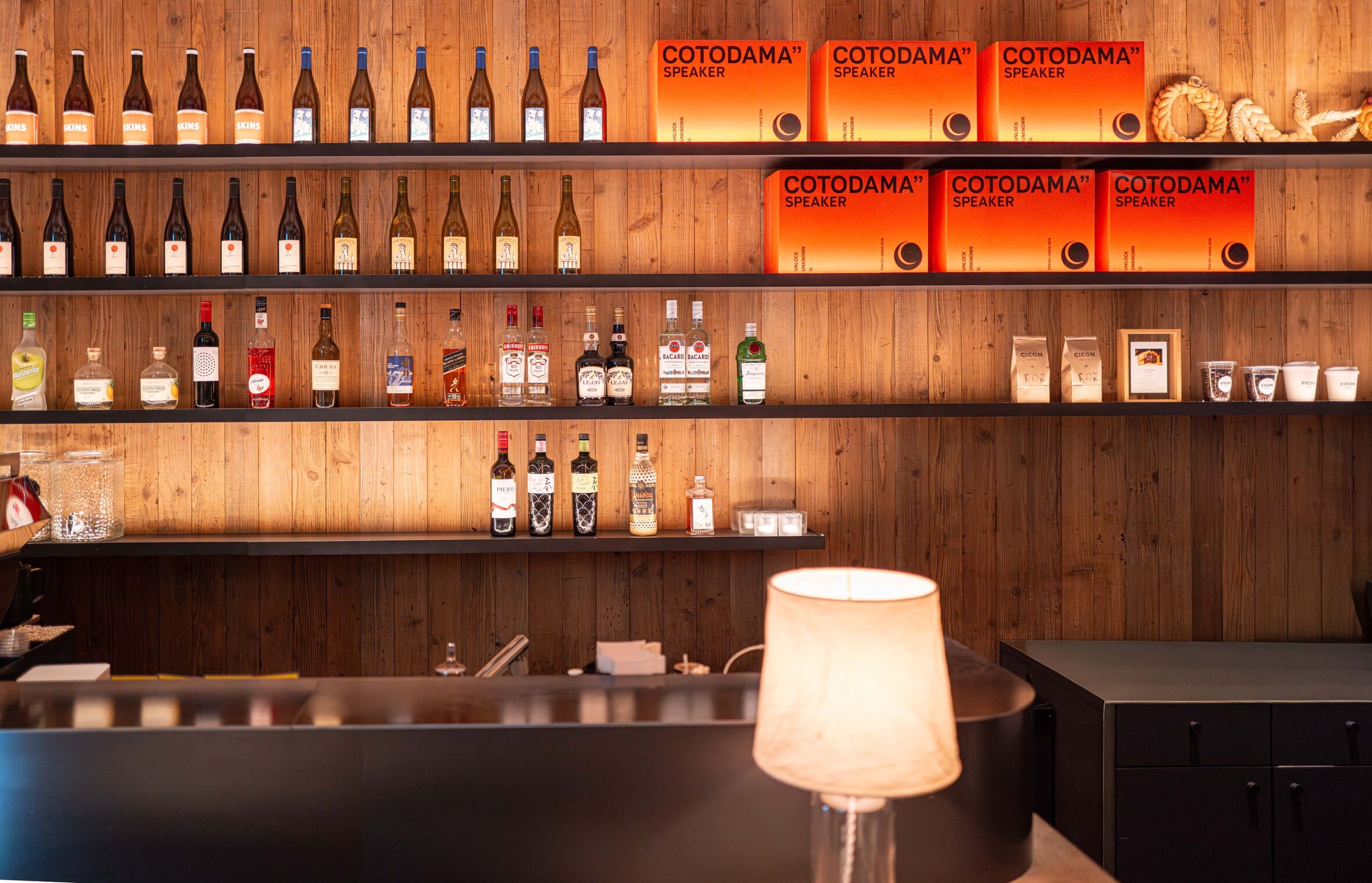
The restaurant, bakery and shared environments are not presented as amenities, but as part of a broader cultural positioning — one that connects the hotel to a network of local producers and collaborators without turning that relationship into narrative.
The rooftop introduces a controlled release.
Kyoto, typically experienced at street level through compression and enclosure, opens here into a quieter, more distant condition. The view is not dramatic, and does not need to be.
It provides orientation rather than impact.
Nohga Hotel Kyoto Kiyomizu does not rely on scale, history or spectacle to establish its presence.
It relies on reduction.
In a city where authenticity is often performed, the project chooses precision instead — operating within Kyoto rather than attempting to represent it.
Project Focus
Editorial hospitality photography
Landscape, atmosphere, cultural context
Location
Kyoto, Japan
Status
Independent editorial study
No AI involved — all imagery photographed on location