
Grand Hotel Beijing (北京贵宾楼饭店)
Beijing, China
Beijing, China
There are places that don’t try to be lived in — they are designed to be observed.
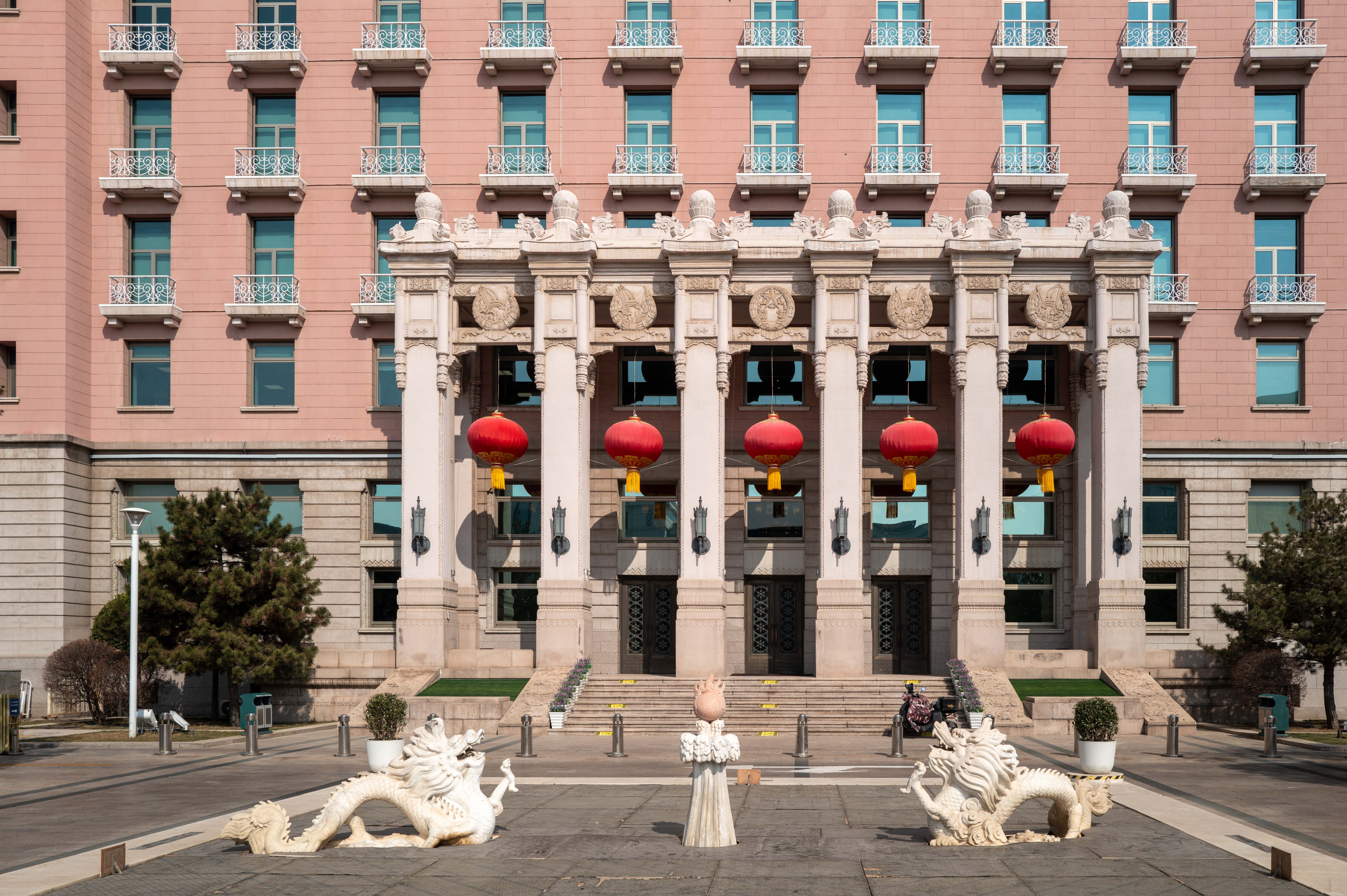
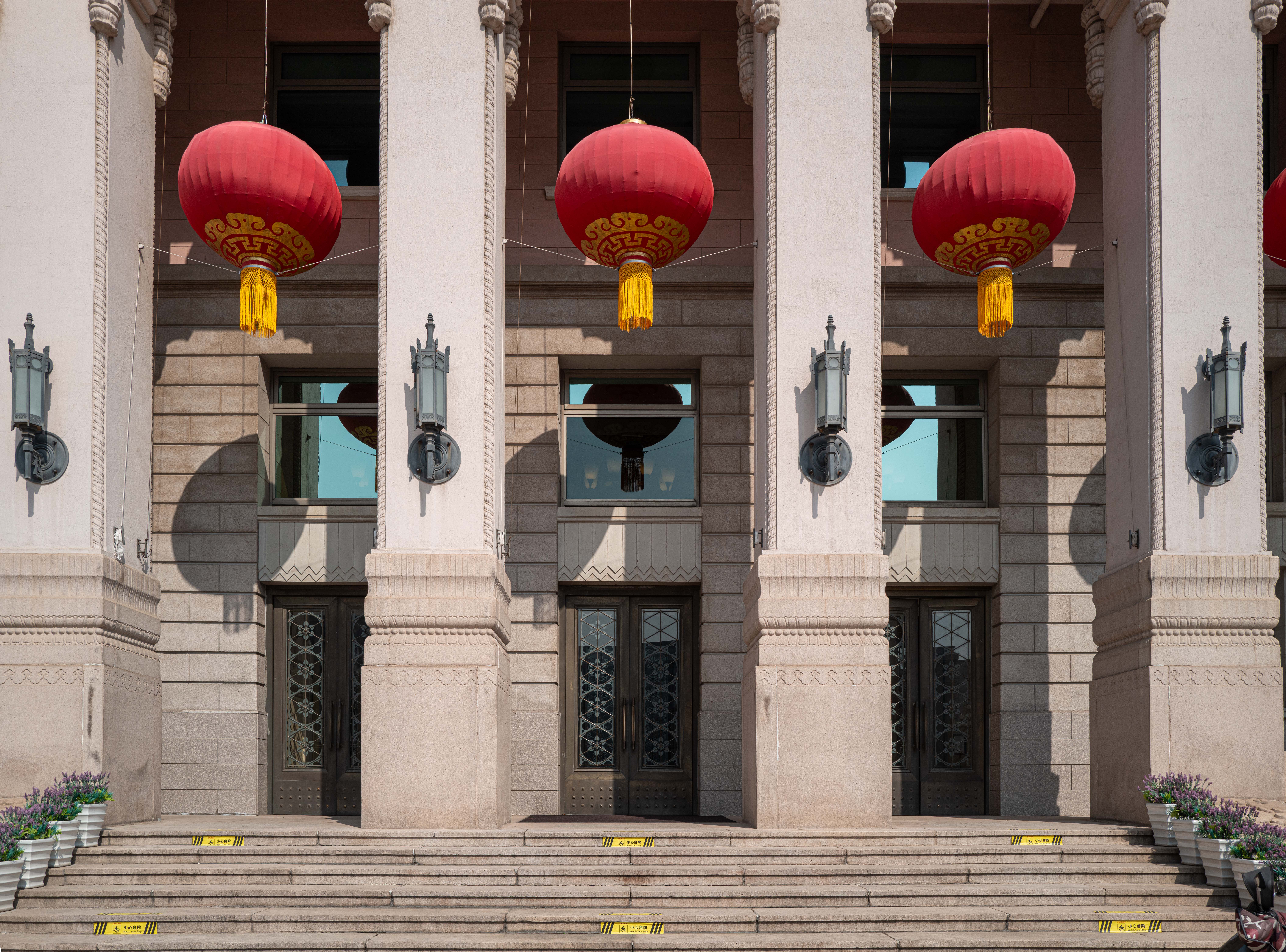
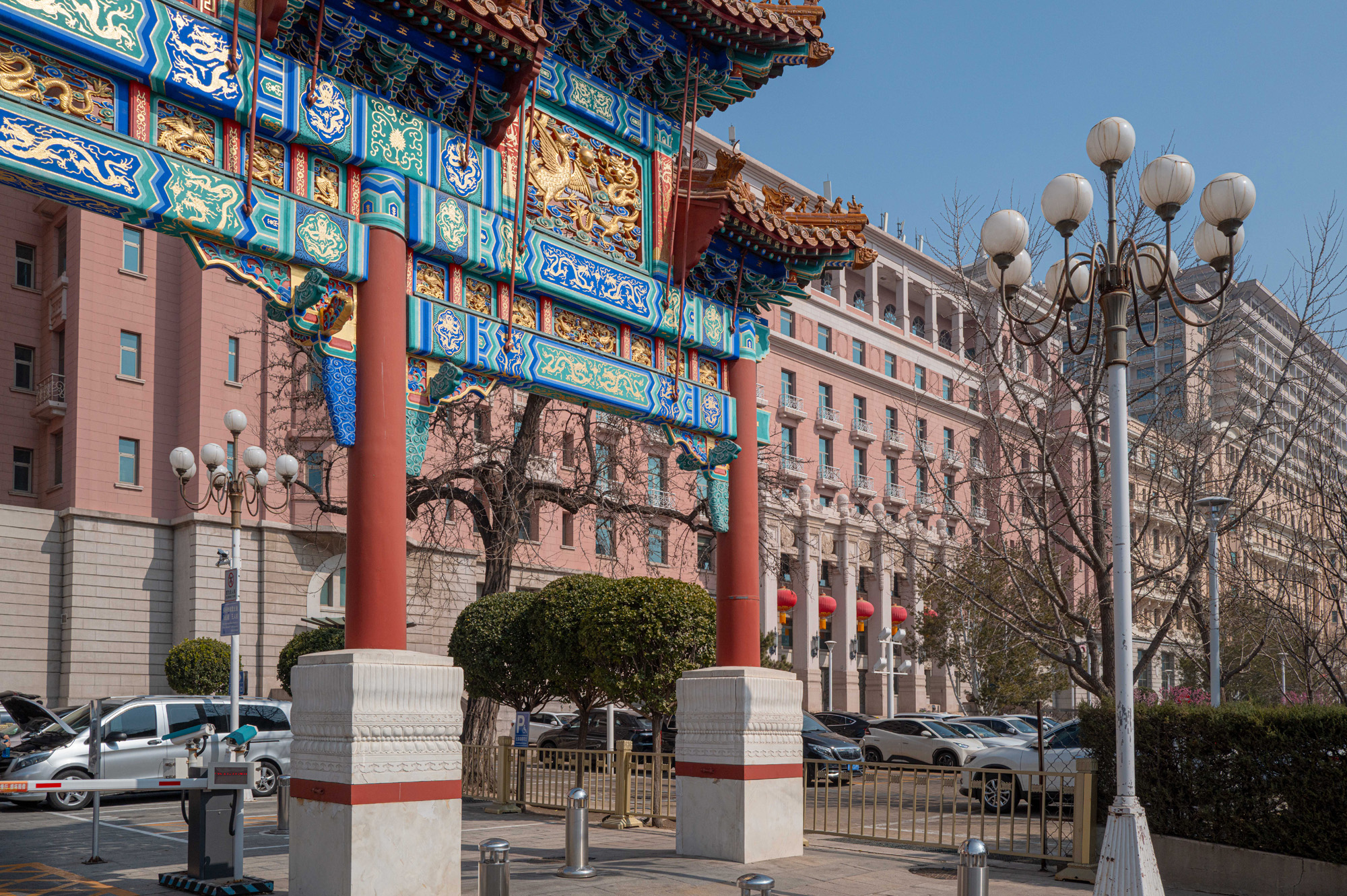
In the heart of Beijing, just steps away from Tiananmen, this hotel unfolds less as a place of stay and more as a constructed narrative. One that draws heavily from imperial symbolism, yet frames it within a contemporary hospitality structure that feels deliberately staged.
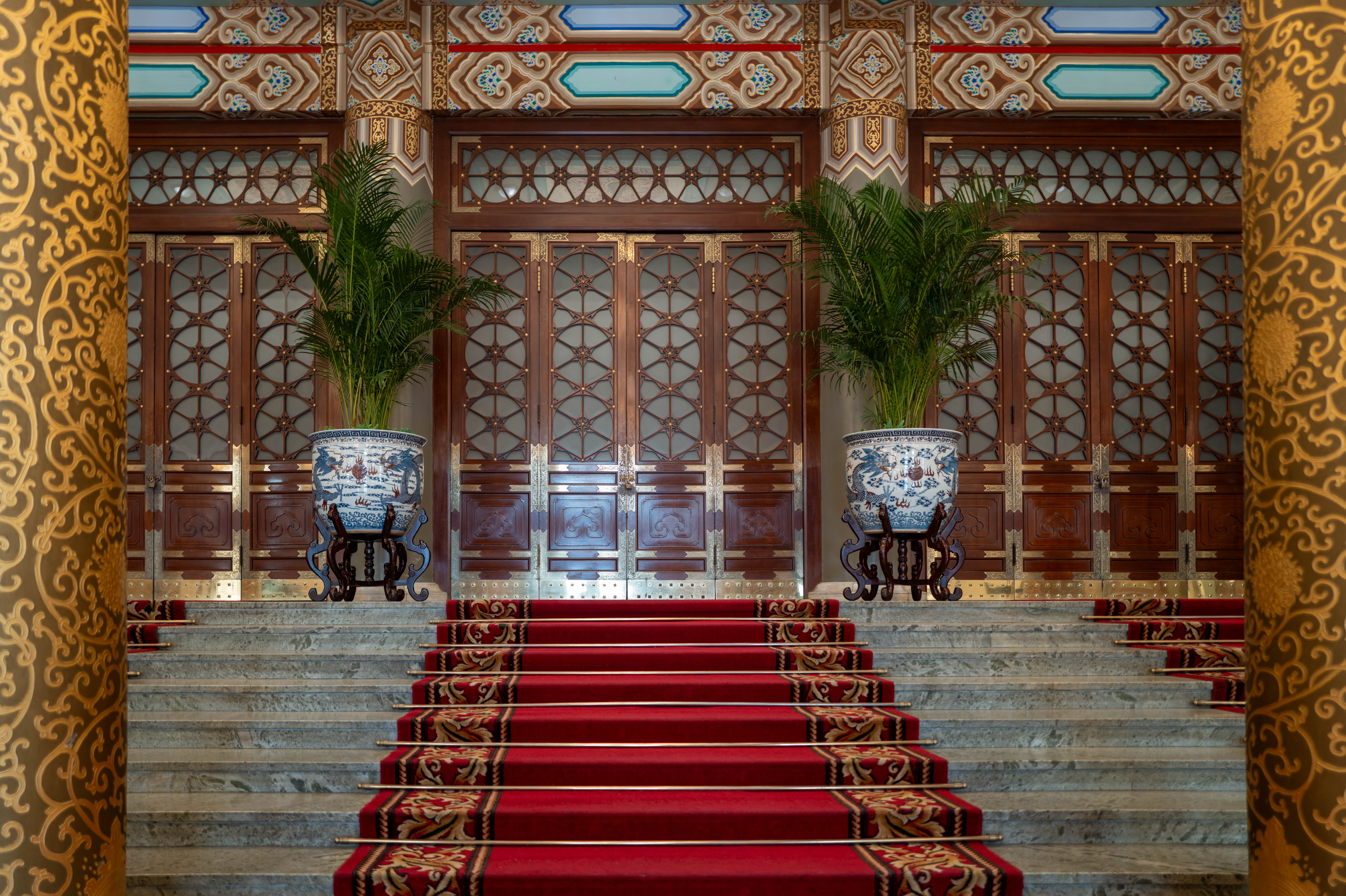
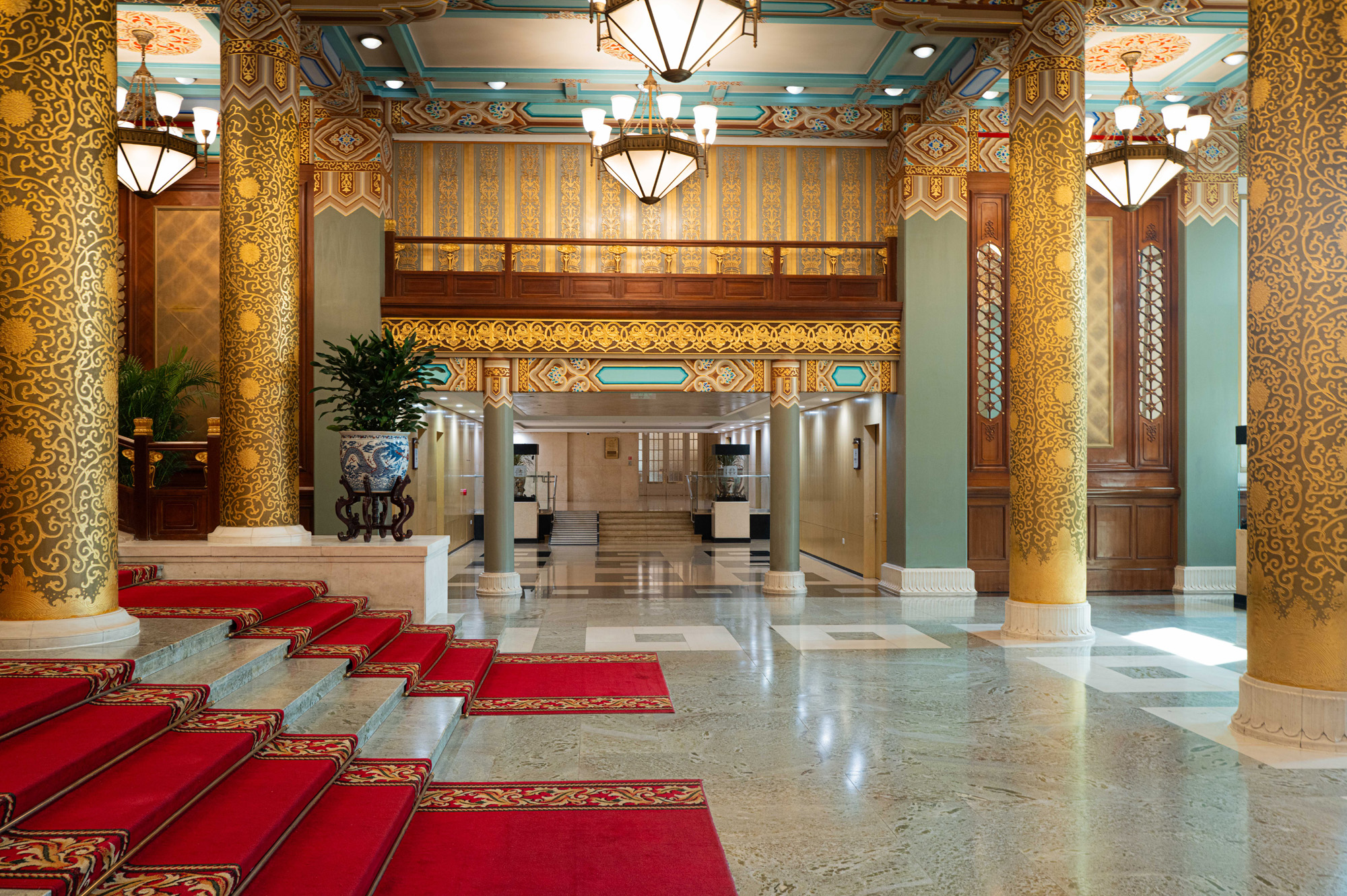
The arrival is immediate and unmistakable. A monumental staircase, wrapped in deep red carpets and framed by ornate golden columns, sets the tone. It doesn’t welcome in a traditional sense — it positions the guest within a visual hierarchy. The space speaks the language of ceremony before comfort.
Moving further inside, the narrative intensifies.
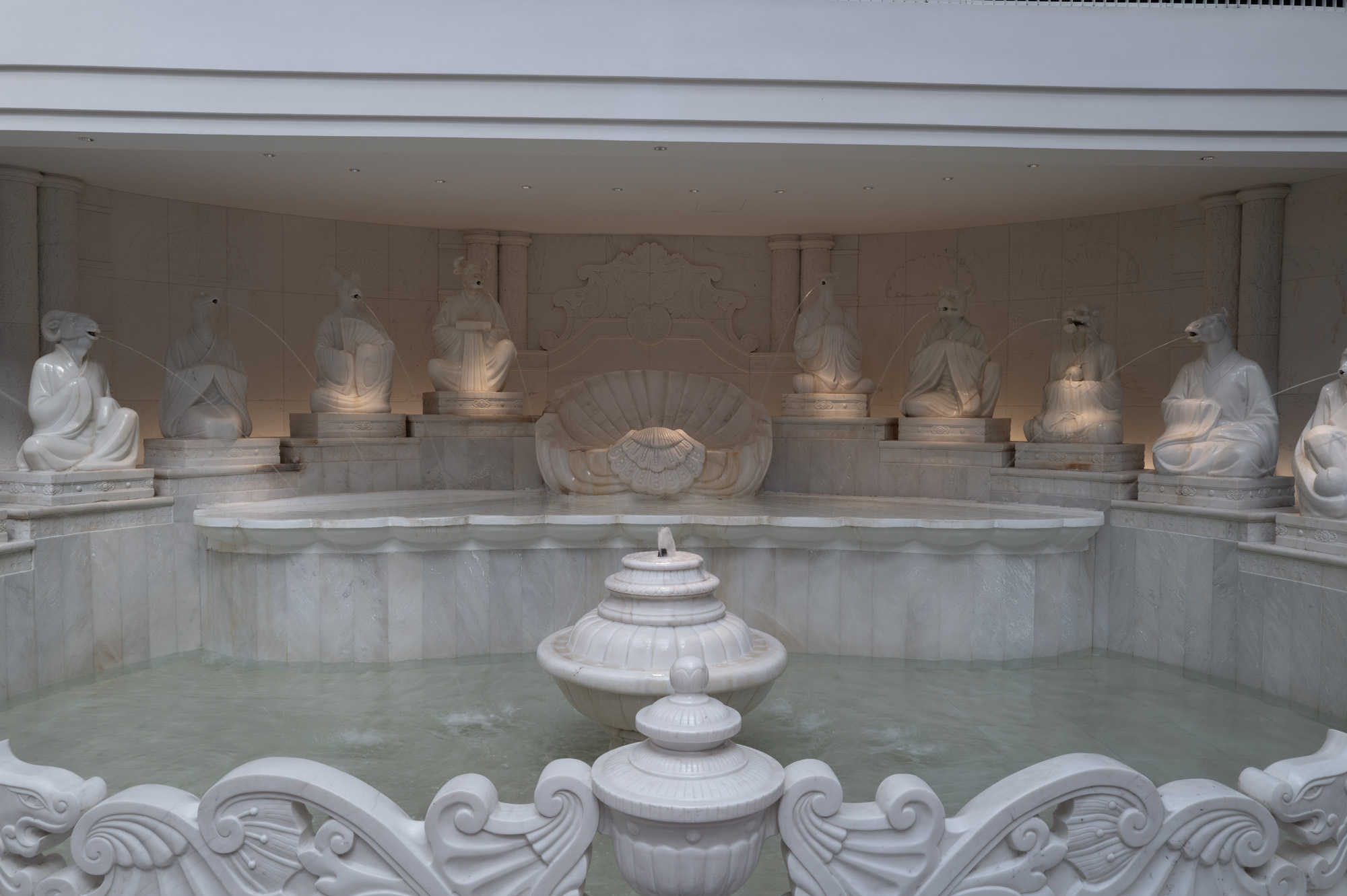
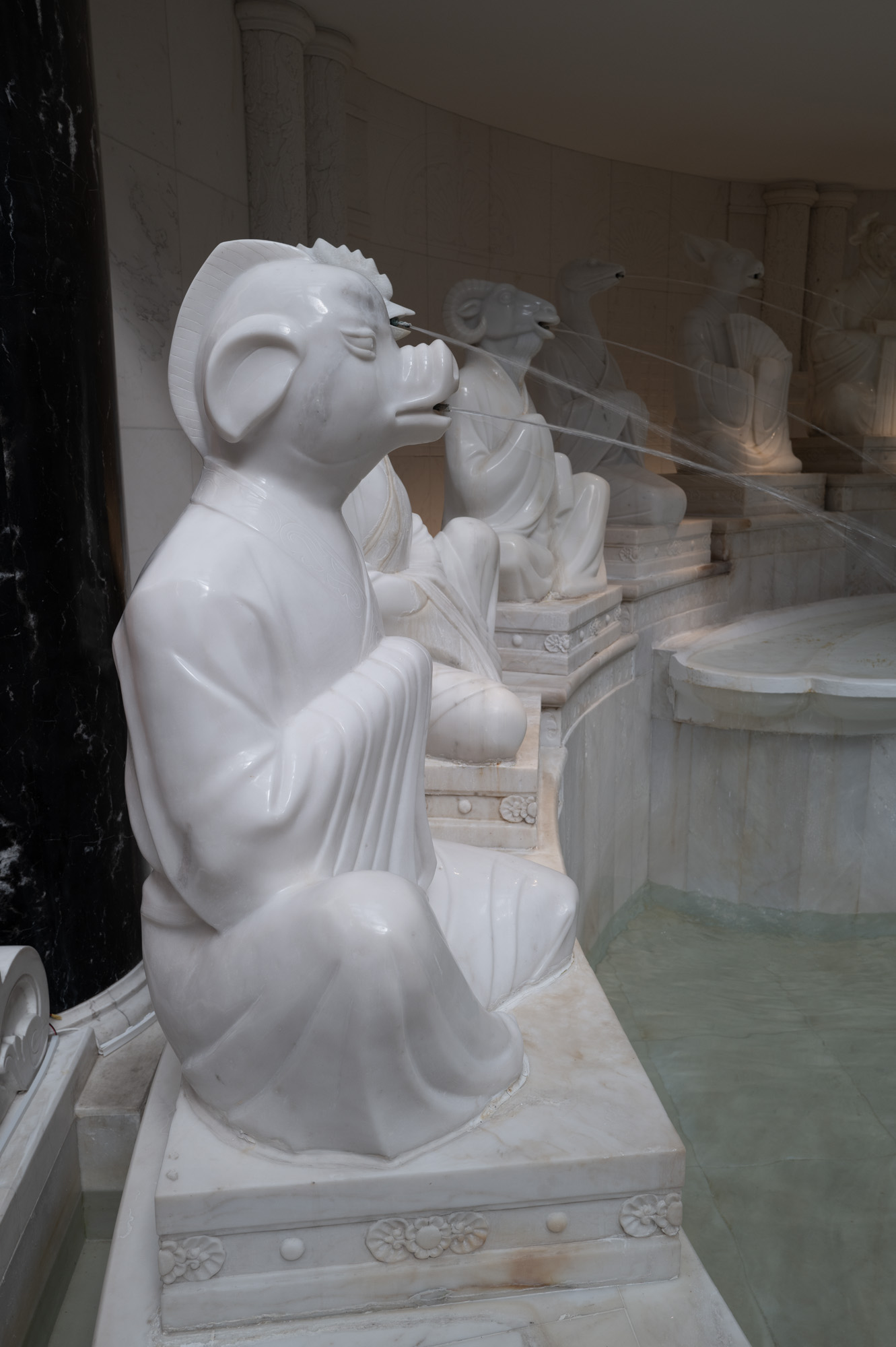
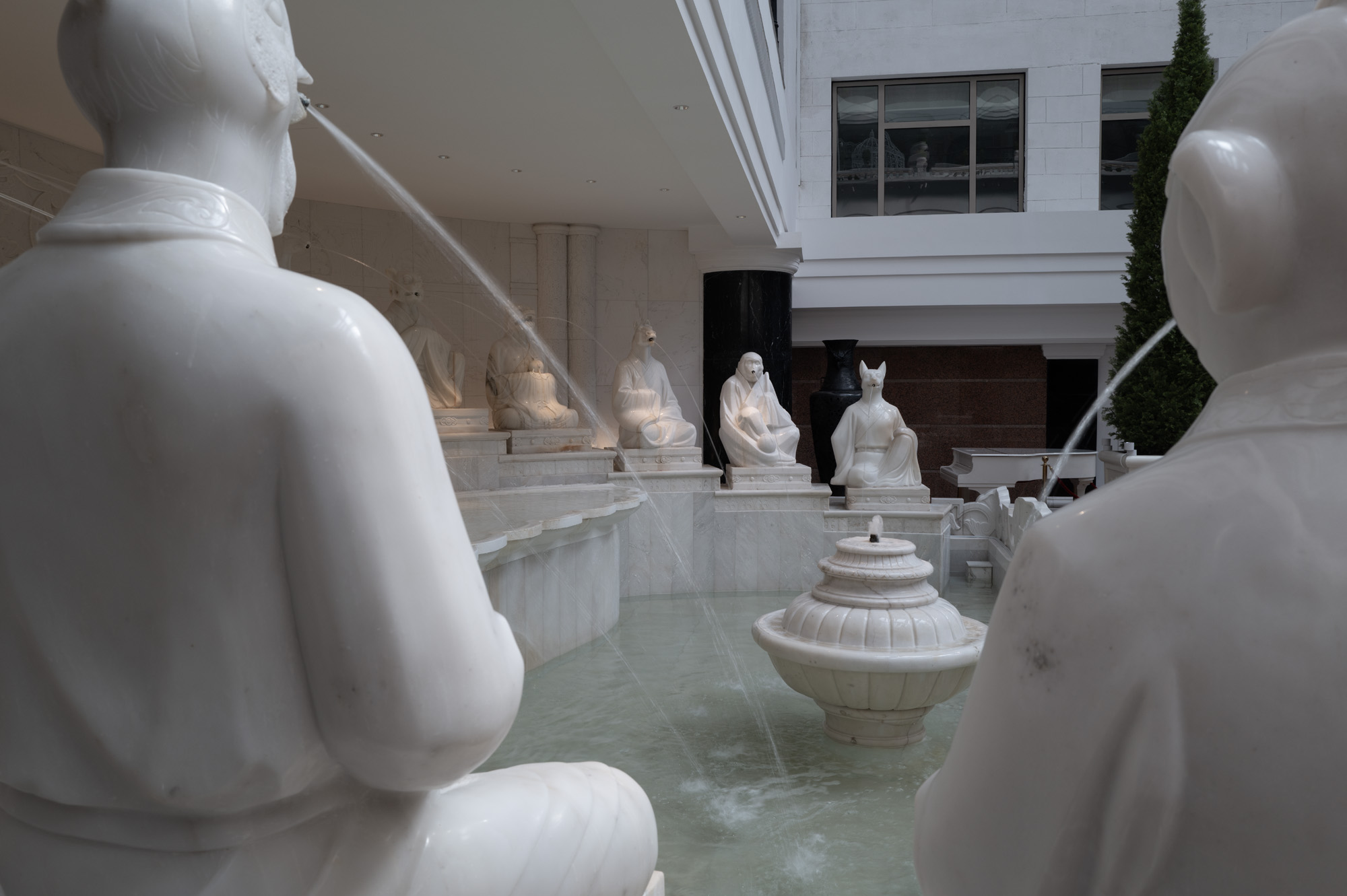
A marble fountain reveals a semicircle of seated figures — each representing an animal from the Chinese zodiac. Water flows continuously, almost theatrically, reinforcing the sense that this is not simply decoration, but a symbolic installation. The composition is deliberate, almost scenographic. It doesn’t aim for subtlety; it commands attention.
And yet, the contrast emerges just beyond.
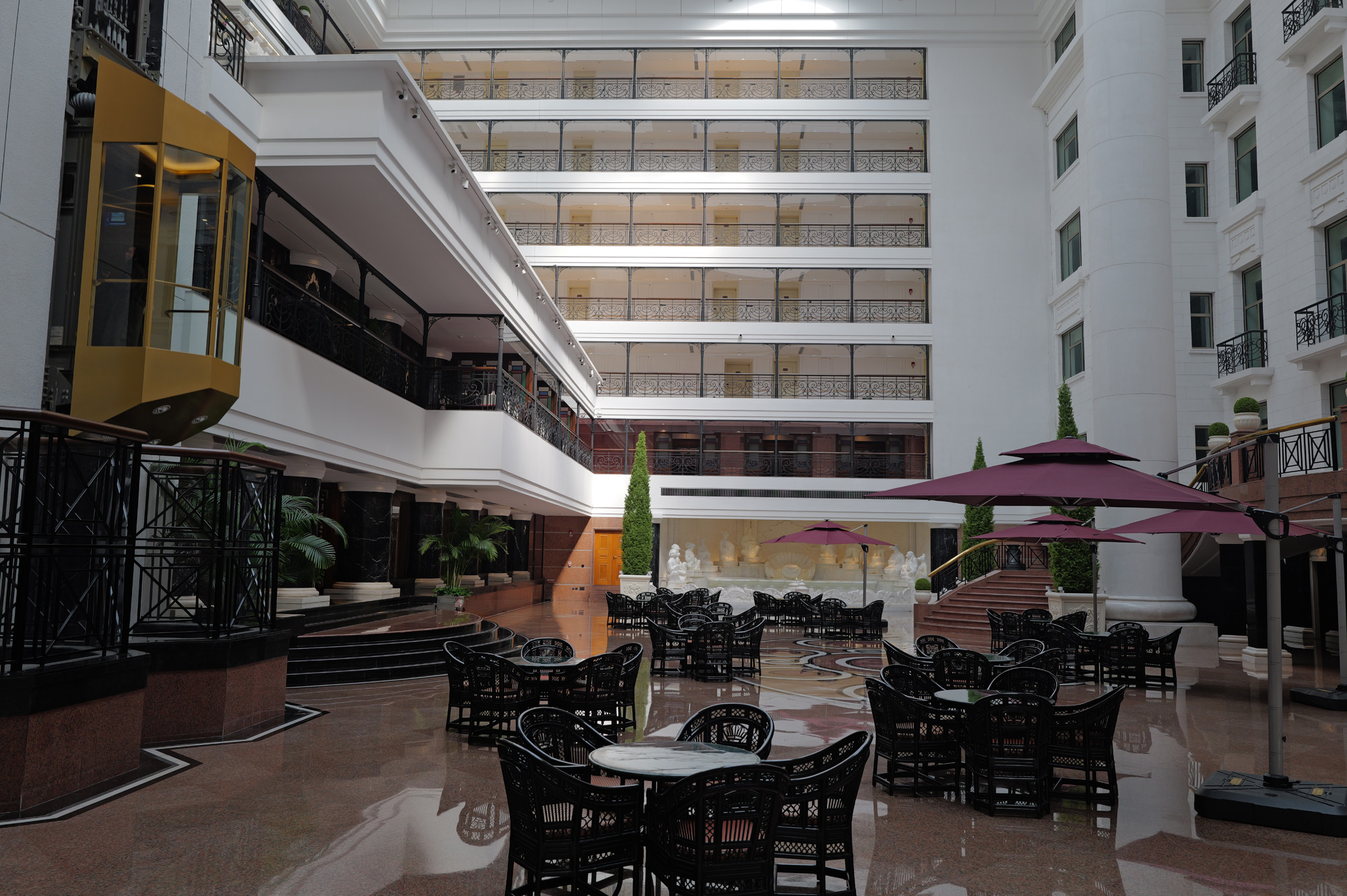
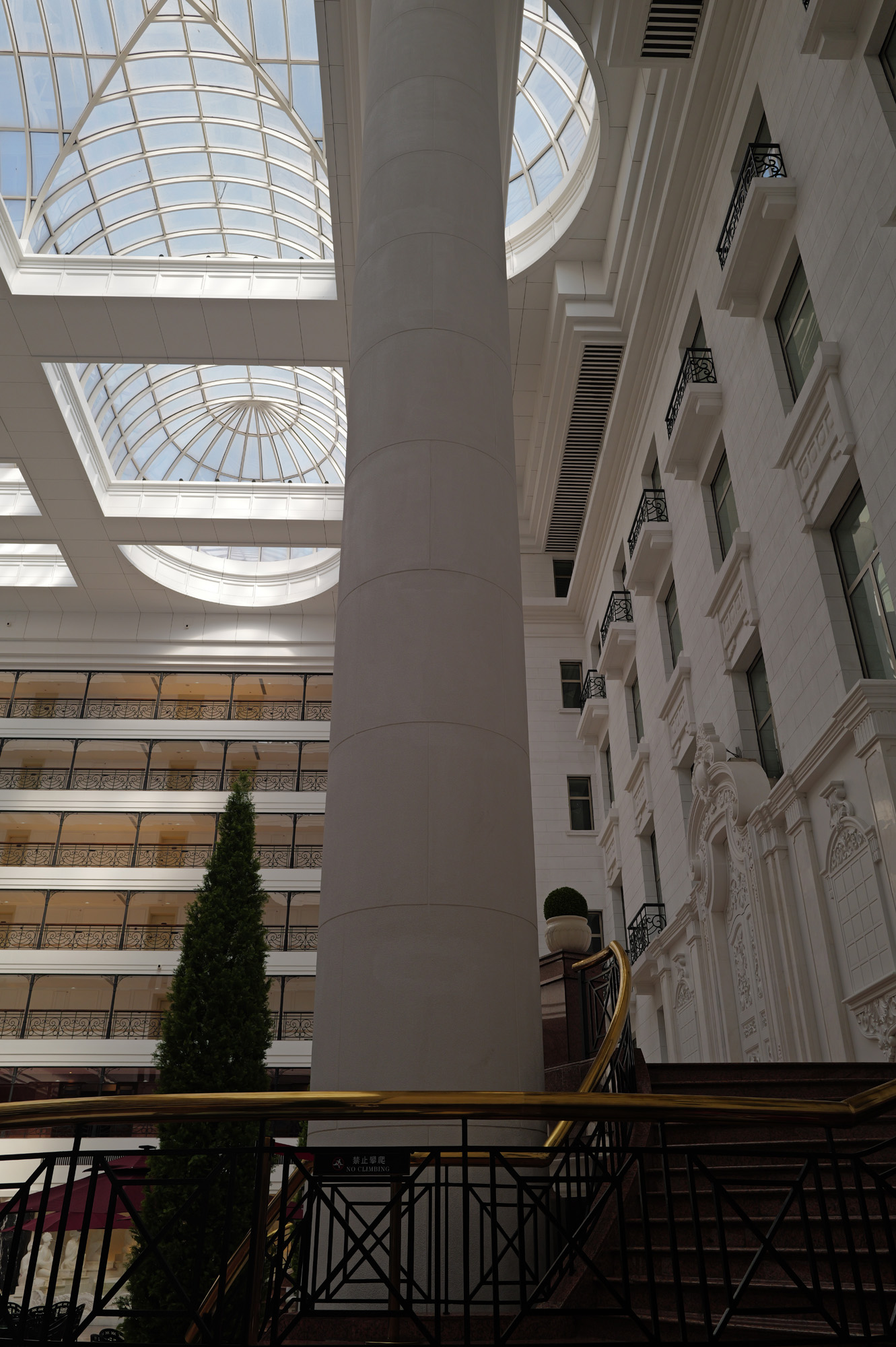
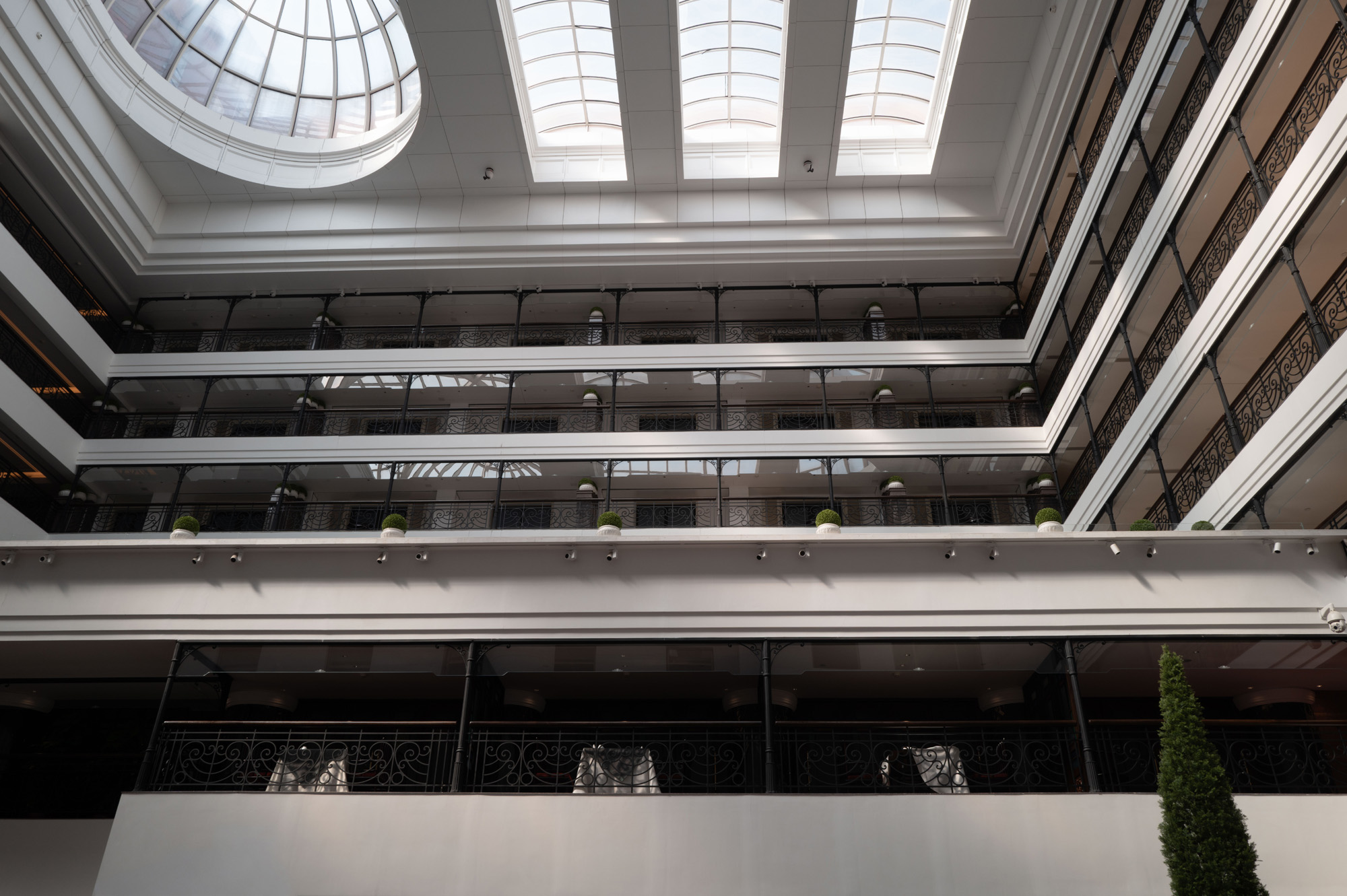
The central atrium shifts dramatically in tone. Bright, expansive, almost European in its architectural vocabulary, it introduces a different rhythm — one of openness, light, and verticality. Glass domes filter daylight into the space, while clean white surfaces soften the density of the more ornate interiors.
This duality defines the experience.
On one side, an interpretation of imperial China — intricate, layered, deeply referential. On the other, a modern hospitality framework that seeks clarity and scale. The transition between these worlds is not hidden; it is part of the design itself.
There is no attempt to dissolve the contrast.
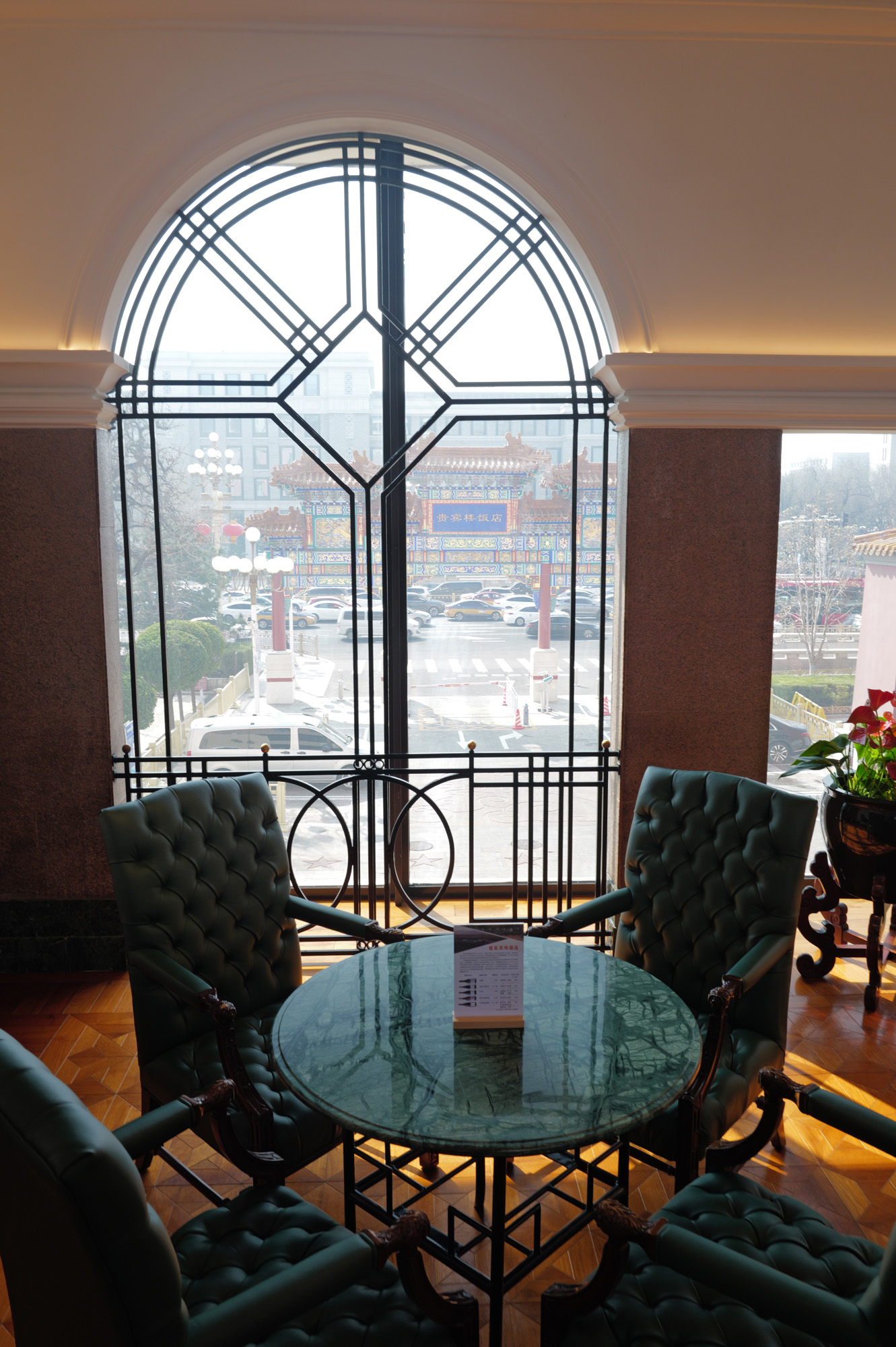
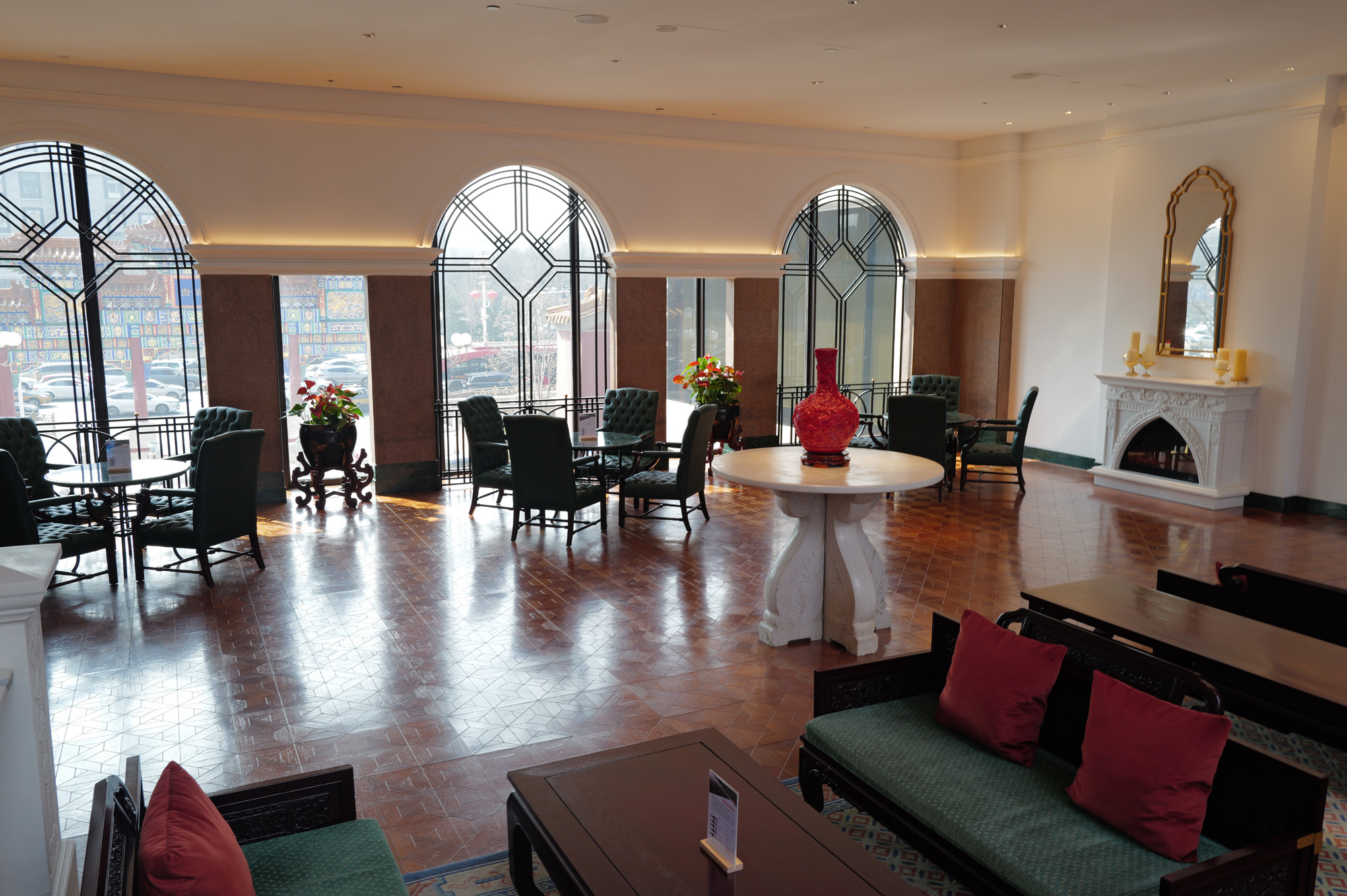
Instead, the hotel embraces it — allowing guests to move between atmospheres that feel intentionally distinct. A quiet lounge overlooking the city introduces yet another layer: softer, more restrained, almost detached from the theatricality below. Here, the outside world reappears, framed through geometric windows that echo traditional motifs while simplifying them.
Even the smallest details reinforce this approach.
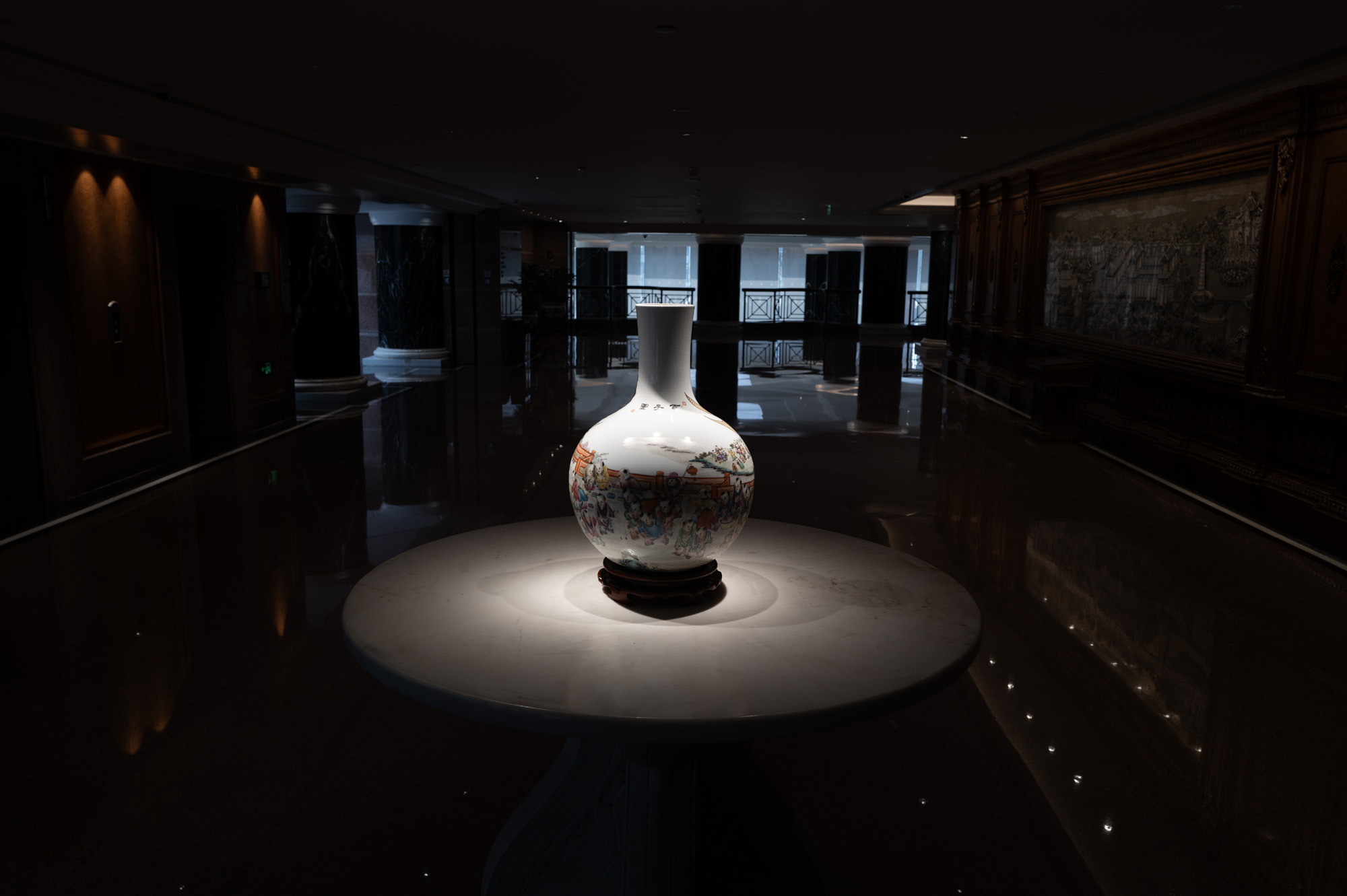
A single porcelain vase, isolated under focused light, becomes an object of contemplation rather than decoration. It is presented, not placed. Like many elements within the hotel, it exists as part of a larger narrative — one that constantly oscillates between authenticity and representation.
And perhaps that is the most defining aspect of this space.
It does not try to be neutral. It does not aim for invisibility. Instead, it constructs an experience that is consciously expressive — one that reflects an idea of China as much as the place itself.
Not a quiet retreat, but a deliberate composition.
Project Focus
Editorial hospitality photography
Landscape, atmosphere, cultural context
Location
Beijing, China
Status
Independent editorial study
No AI involved — all imagery photographed on location