
New Otani Garden
Tokyo, Japan
Tokyo, Japan
Hotel New Otani Tokyo Garden Tower
Set within the political and cultural core of Tokyo, the Hotel New Otani Tokyo Garden Tower occupies a position that is far more strategic than it first appears. The surrounding district of Akasaka is not defined by the immediacy of tourist landmarks, but by a quieter concentration of power — embassies, corporate headquarters, government buildings — all contributing to an atmosphere that feels composed, measured, and distinctly Tokyo.
This context shapes the hotel in a subtle but decisive way. Unlike districts driven by density and spectacle, Akasaka moves at a different rhythm. Streets are wider, transitions are softer, and the urban fabric allows for moments of pause. It is precisely within this balance that the New Otani complex establishes itself — not as an interruption, but as a continuation of this controlled environment.
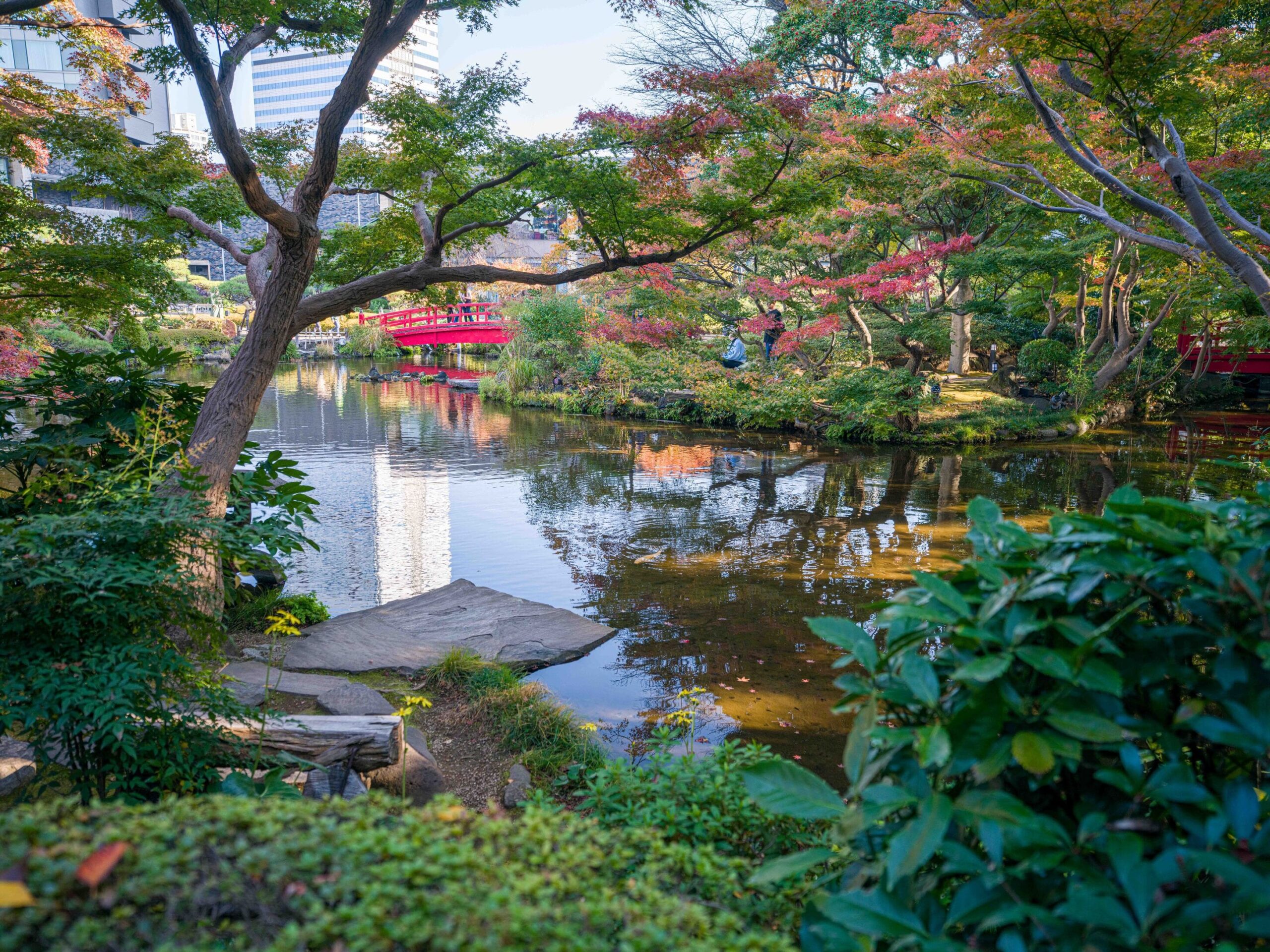
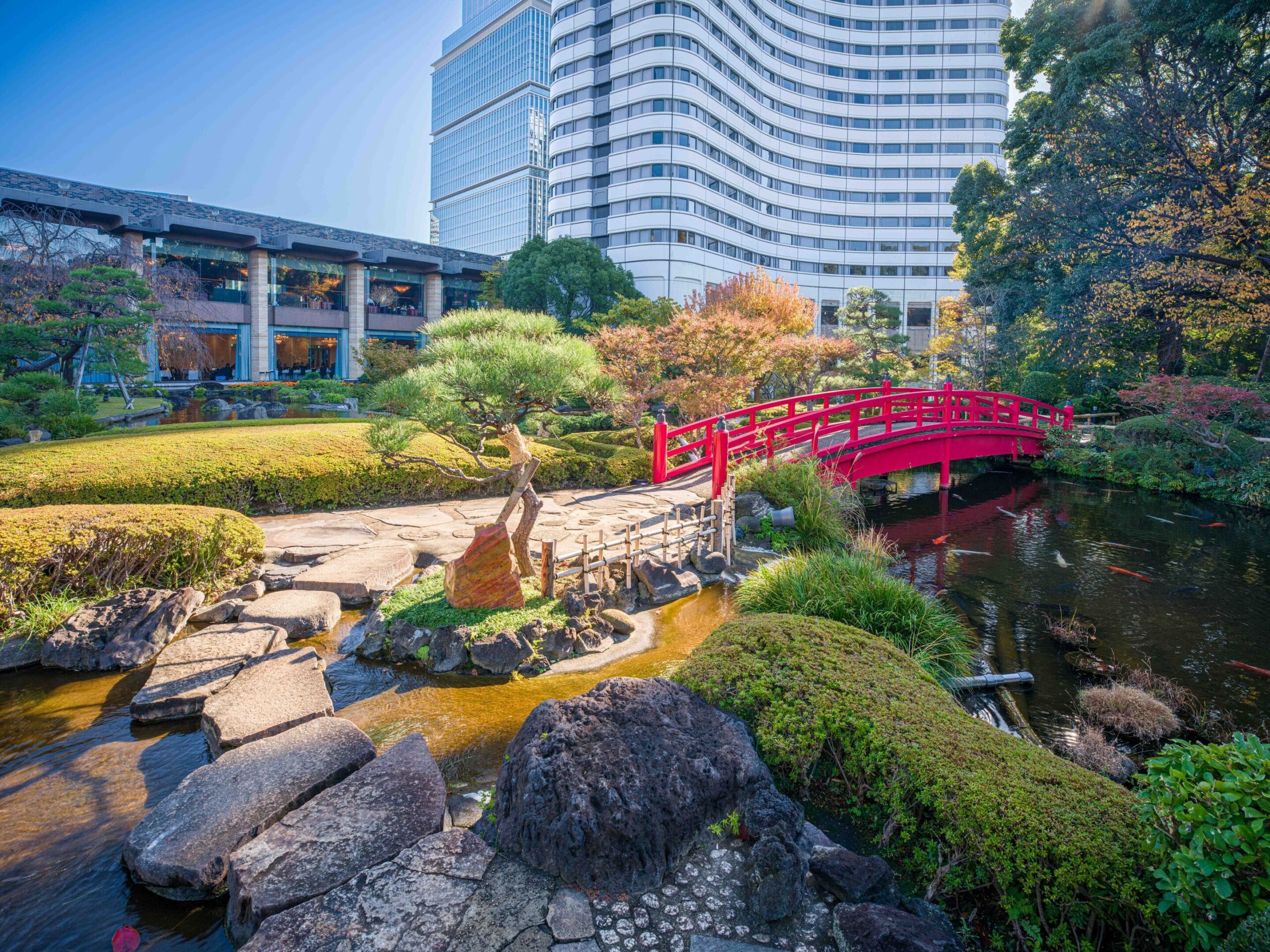
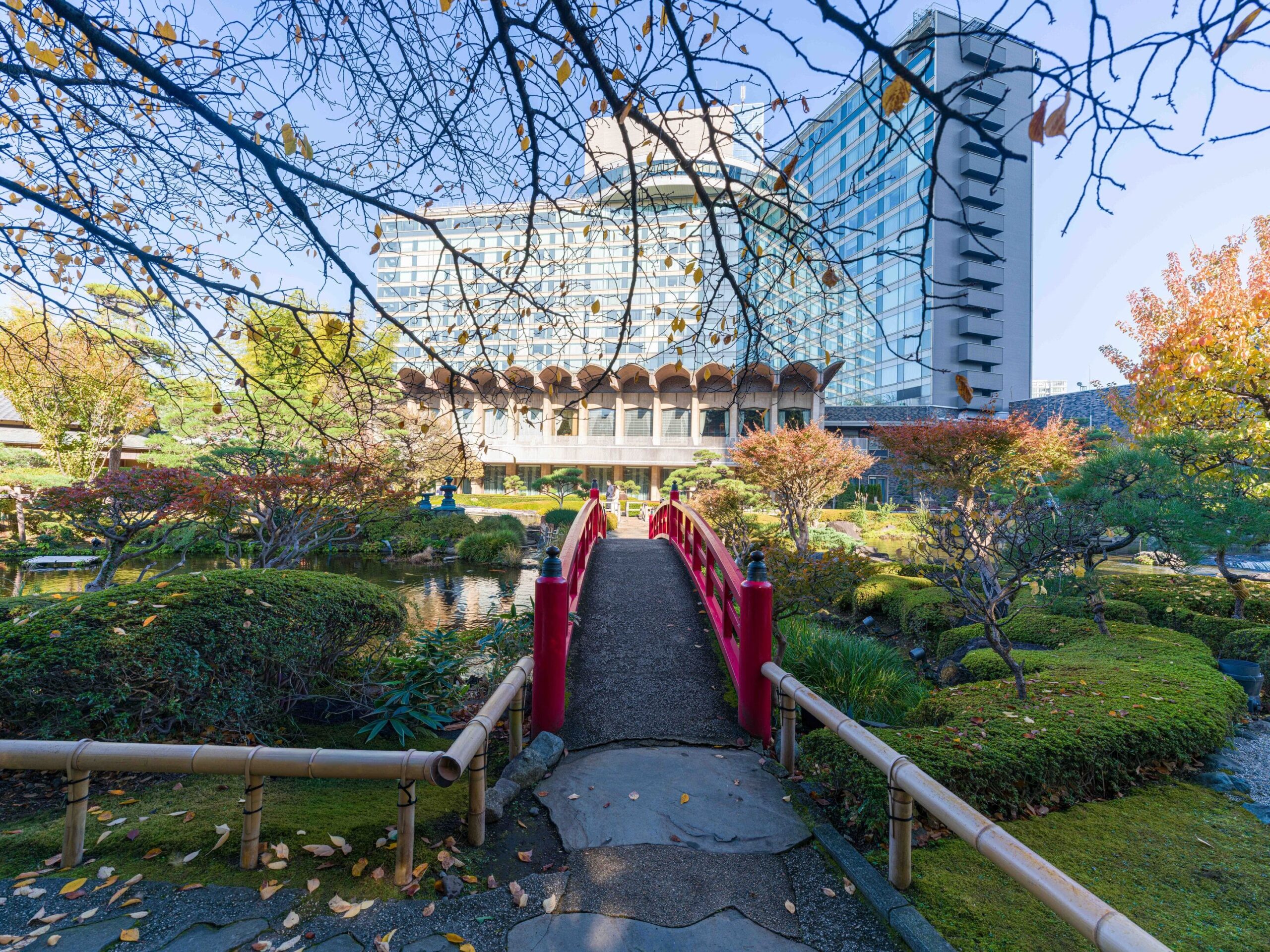
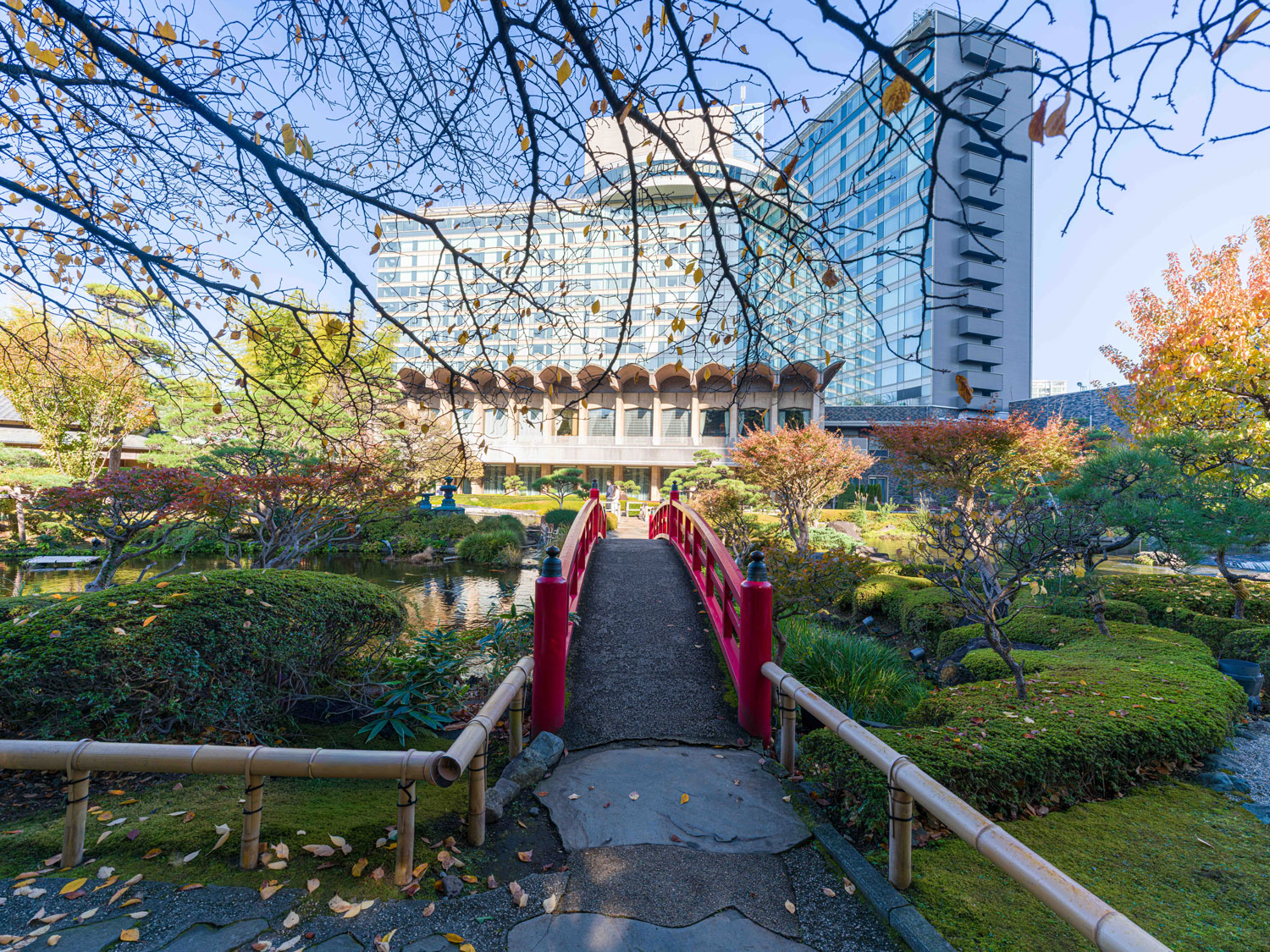
The Garden Tower emerges as the contemporary vertical expression of the property, rising with a rational clarity that avoids unnecessary gestures. Its presence is not iconic in the conventional sense, yet it becomes unmistakable through its relationship with what lies at its base: a historic Japanese garden that anchors the entire experience in a dimension far removed from the surrounding metropolis.
From within the rooms, this duality becomes the defining element. On one side, Tokyo extends in layers of infrastructure and skyline; on the other, the garden introduces depth, stillness, and a completely different perception of scale. Interiors remain intentionally restrained — not minimalist, but calibrated — allowing light and view to dictate the atmosphere rather than decorative elements.
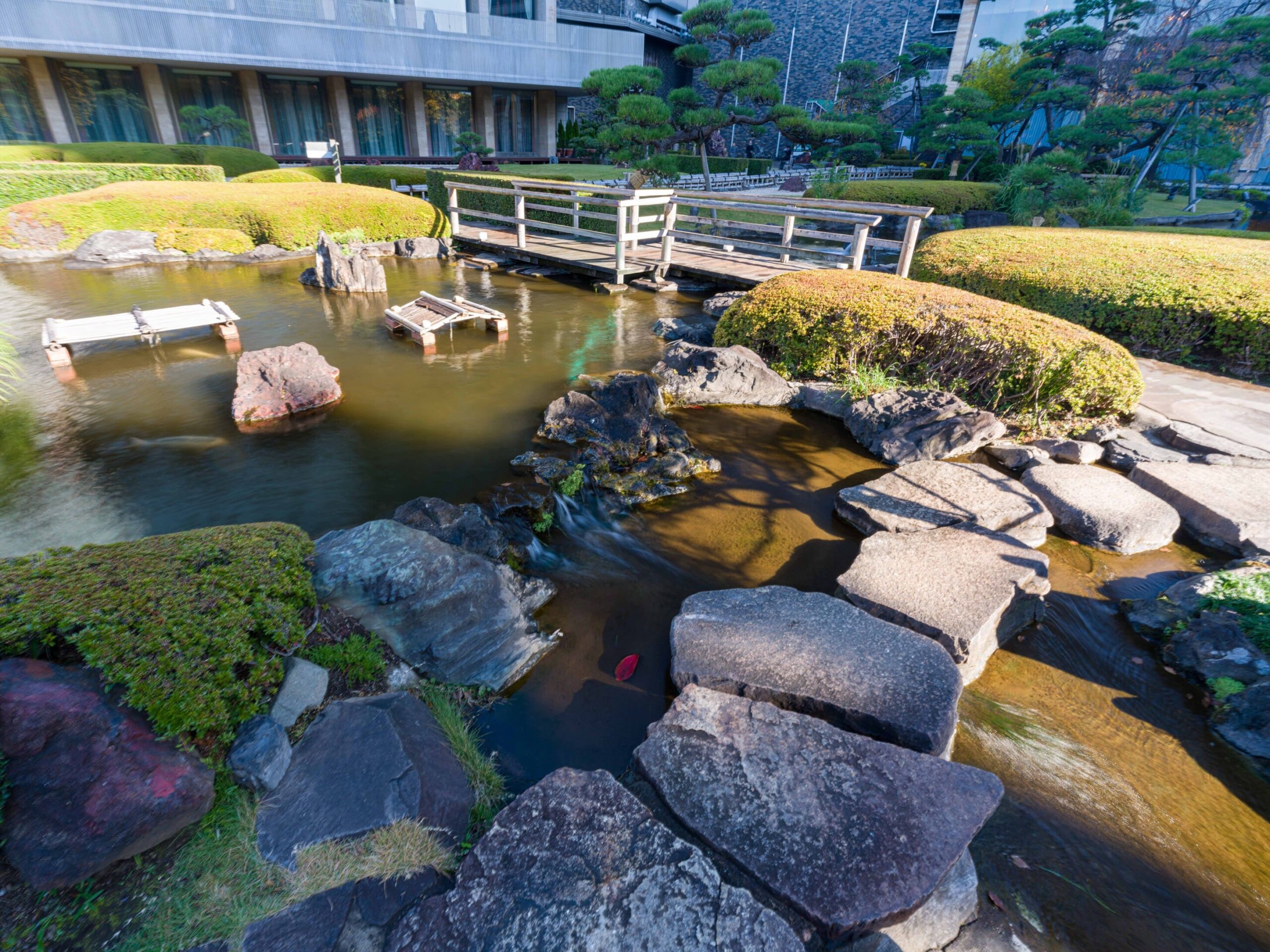
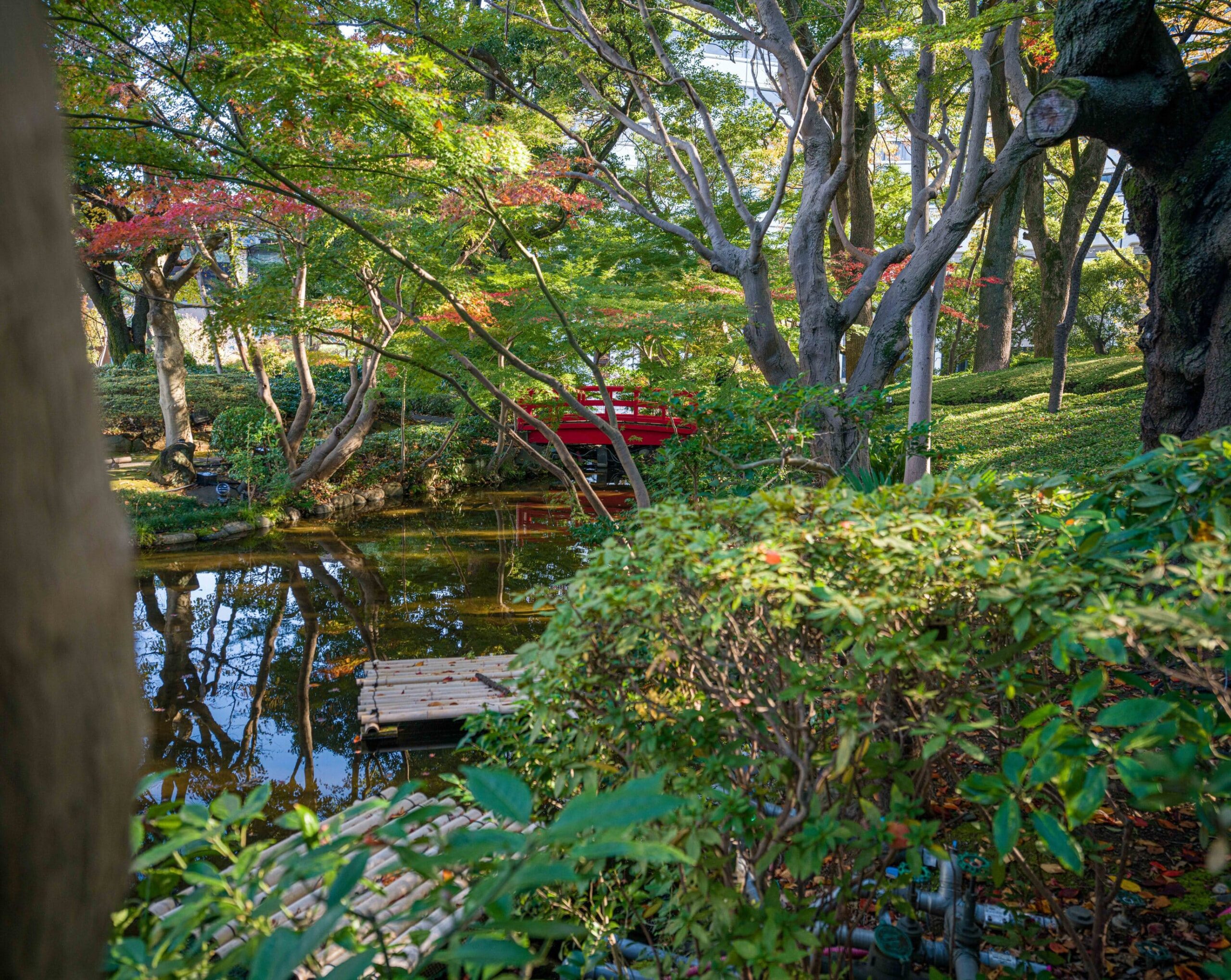
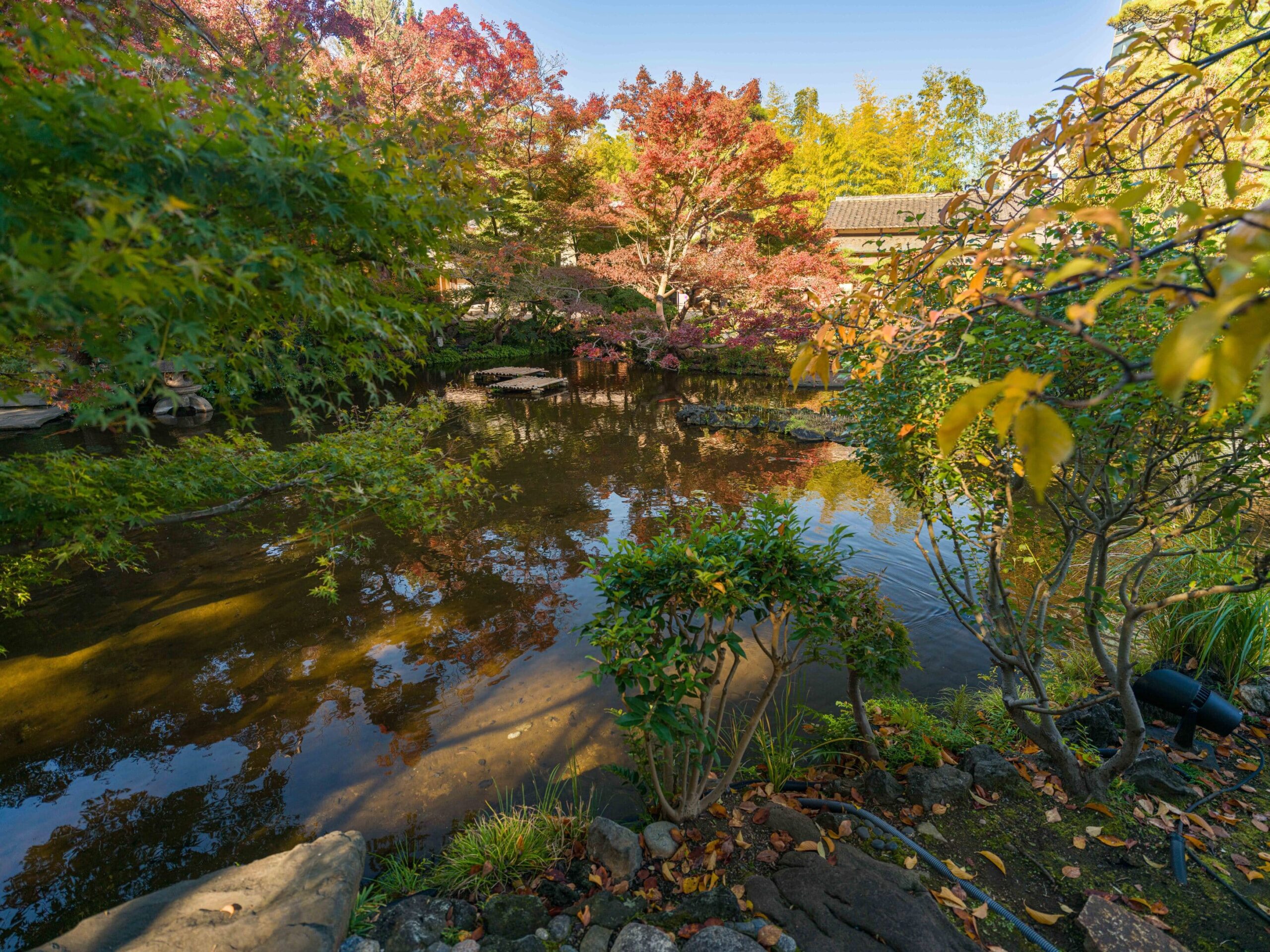
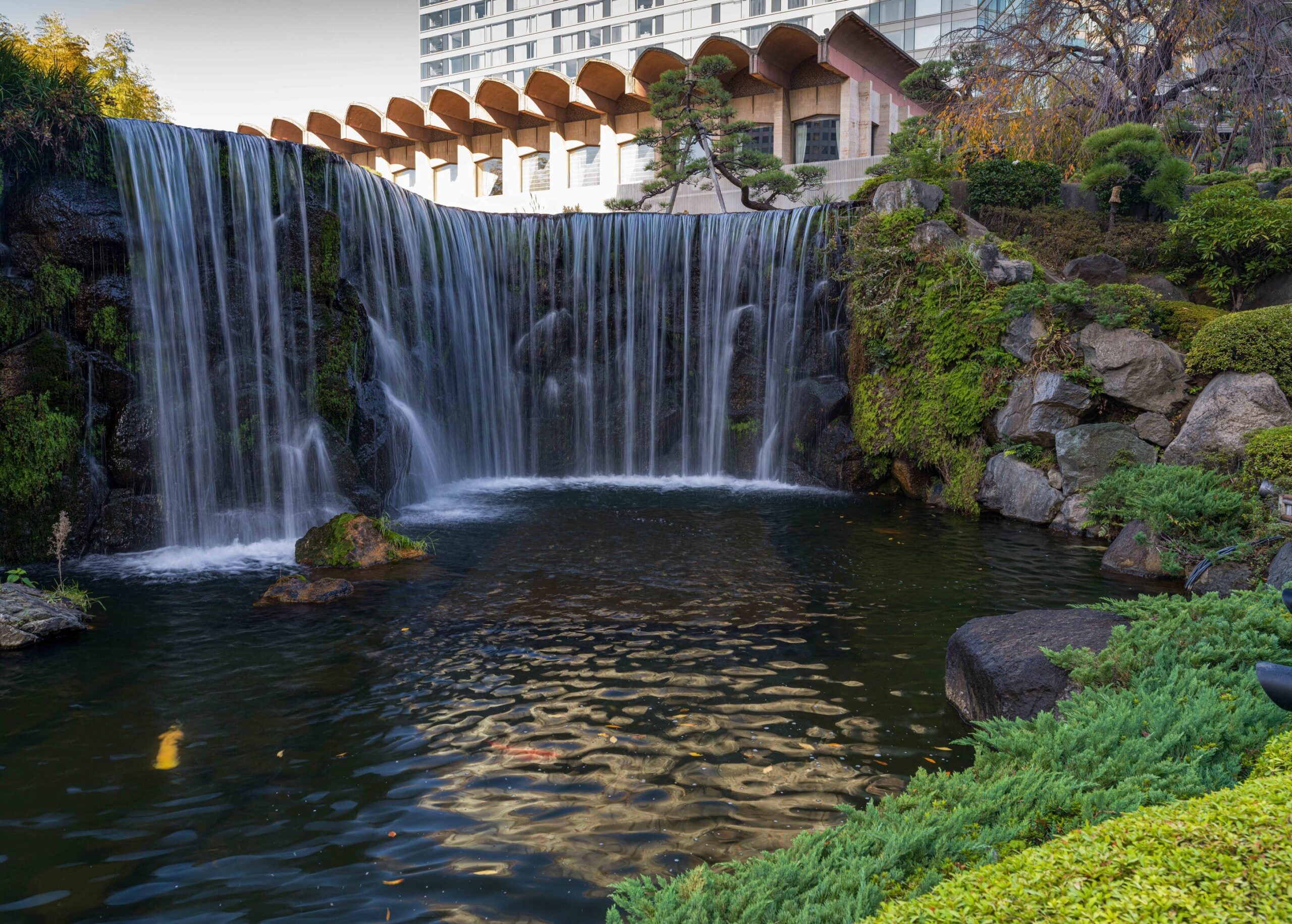
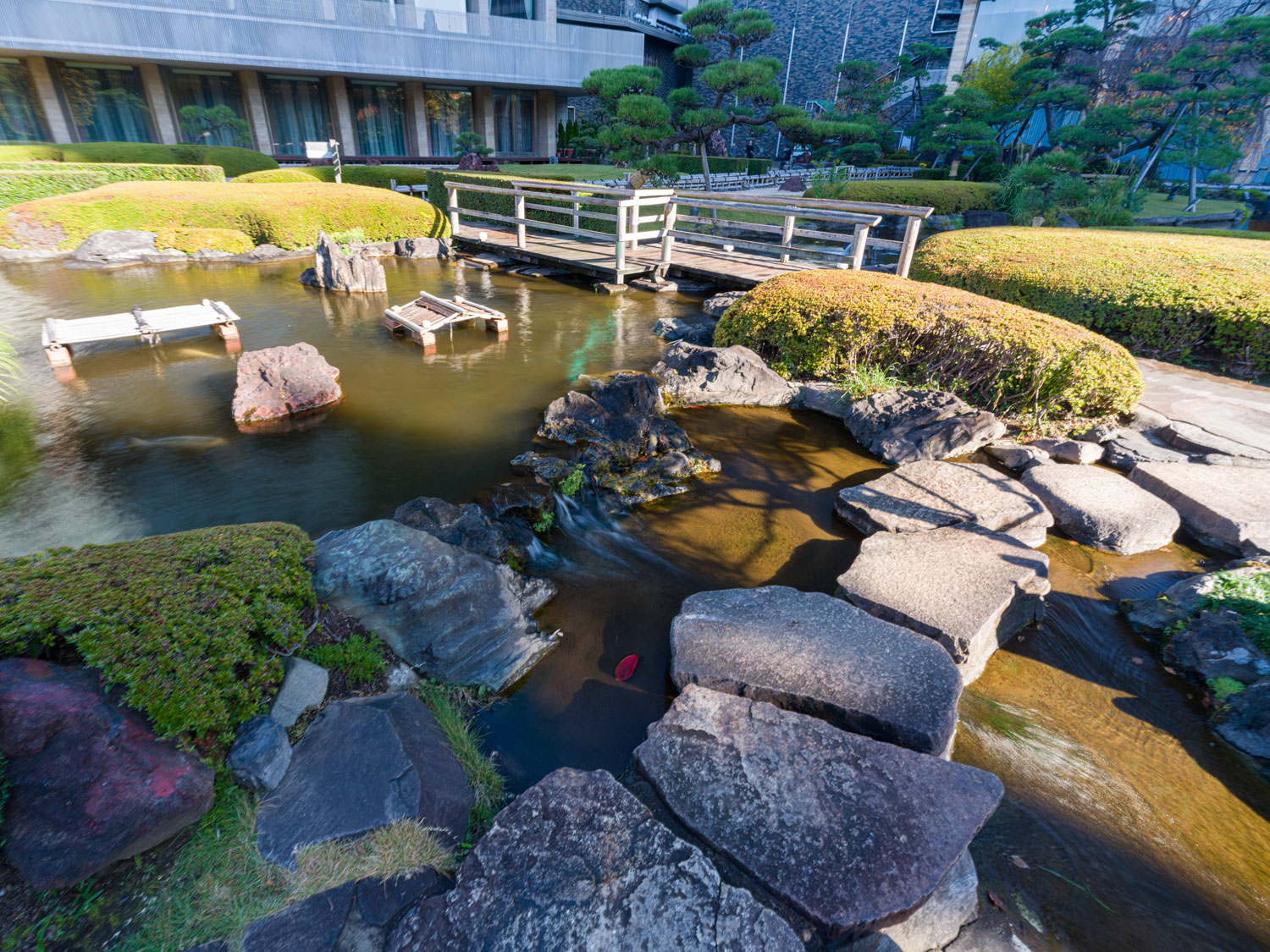
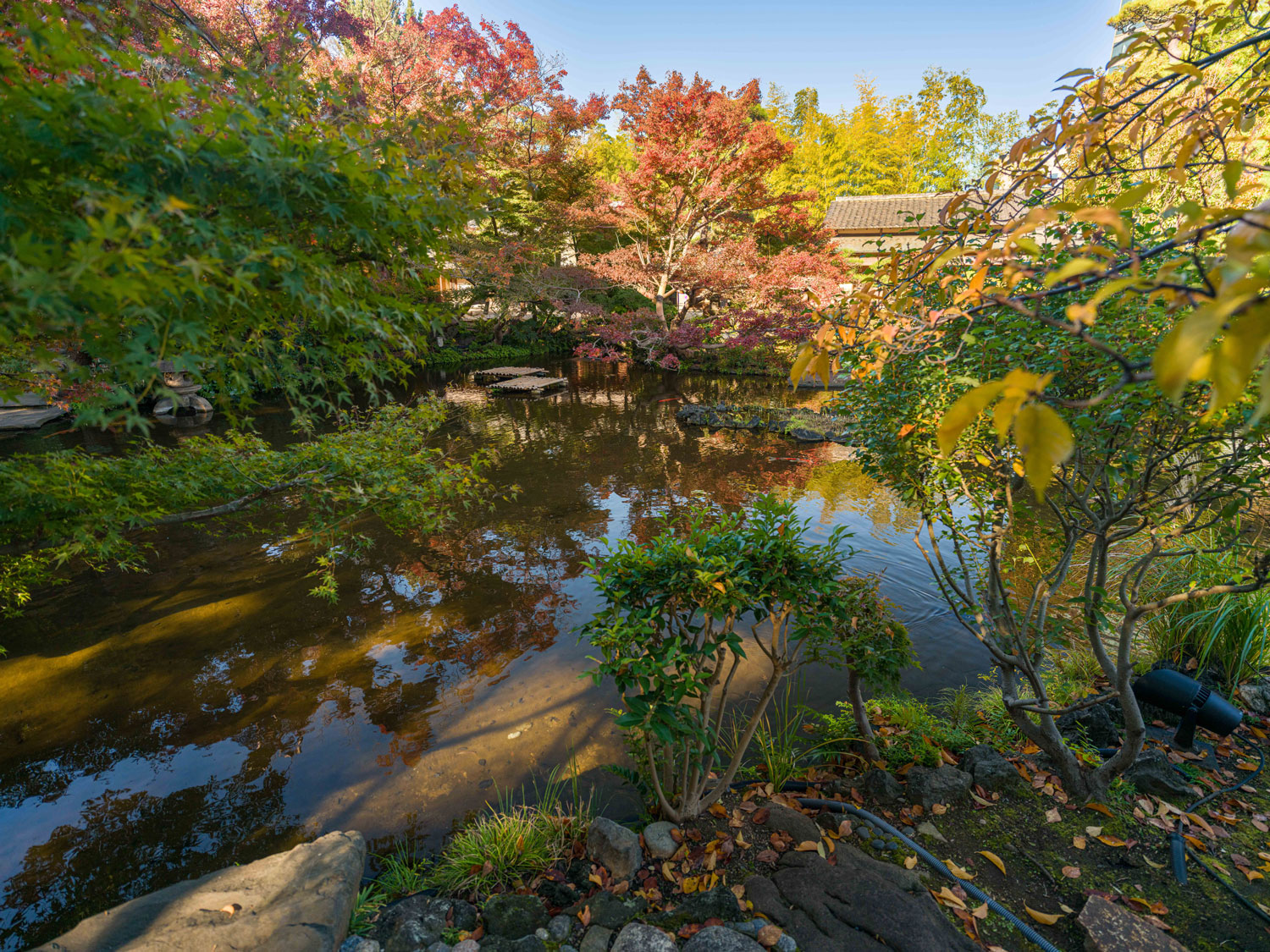
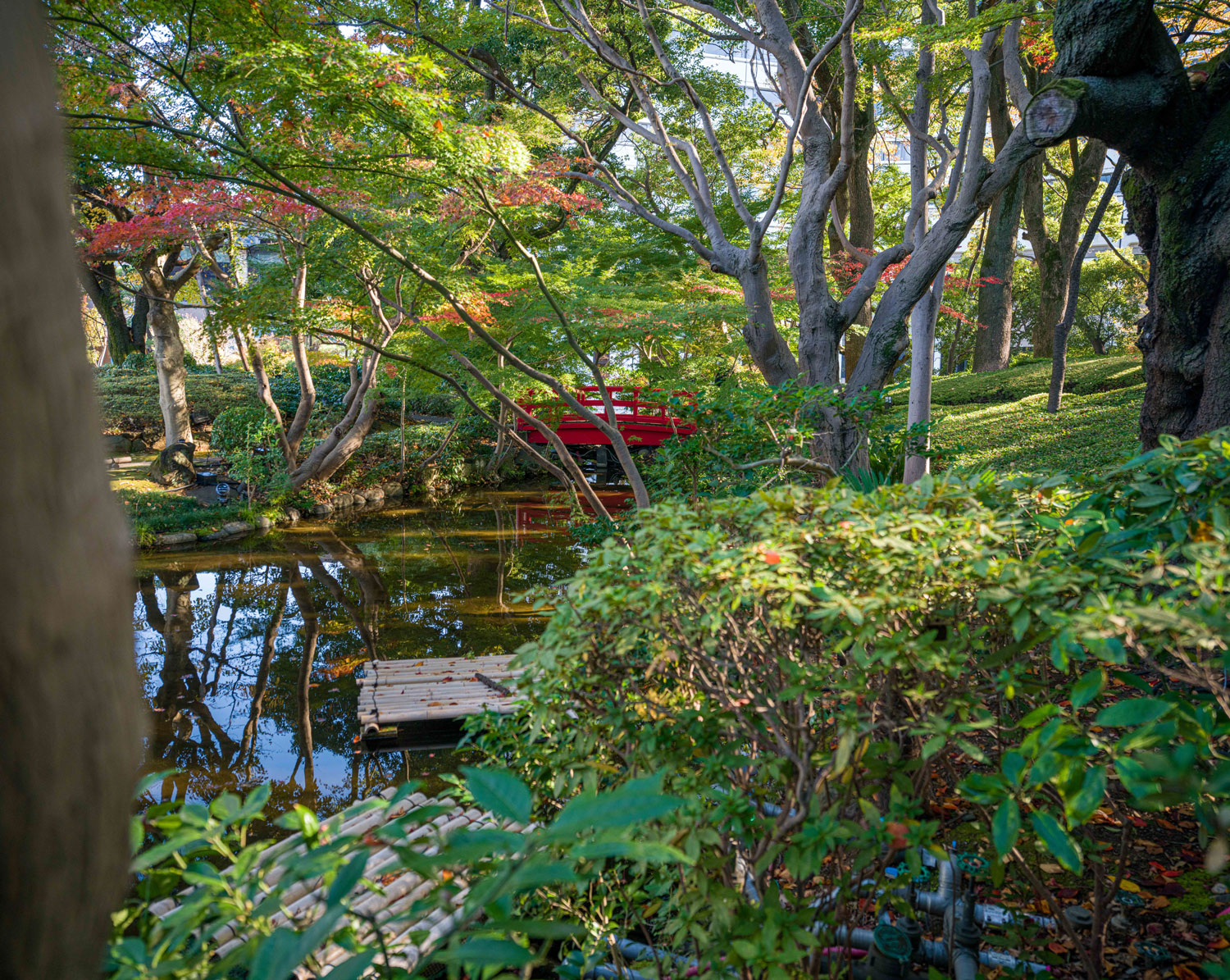
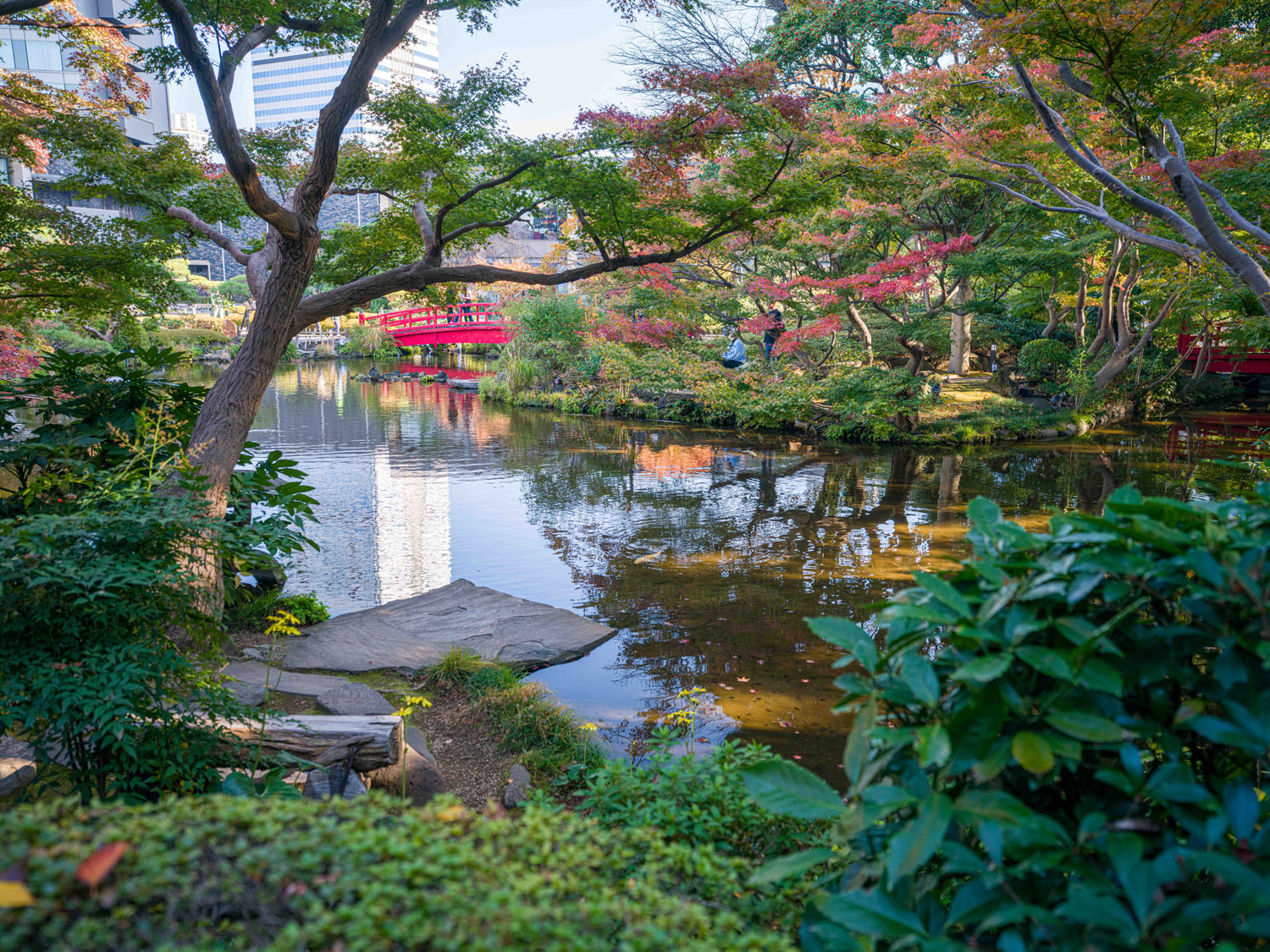
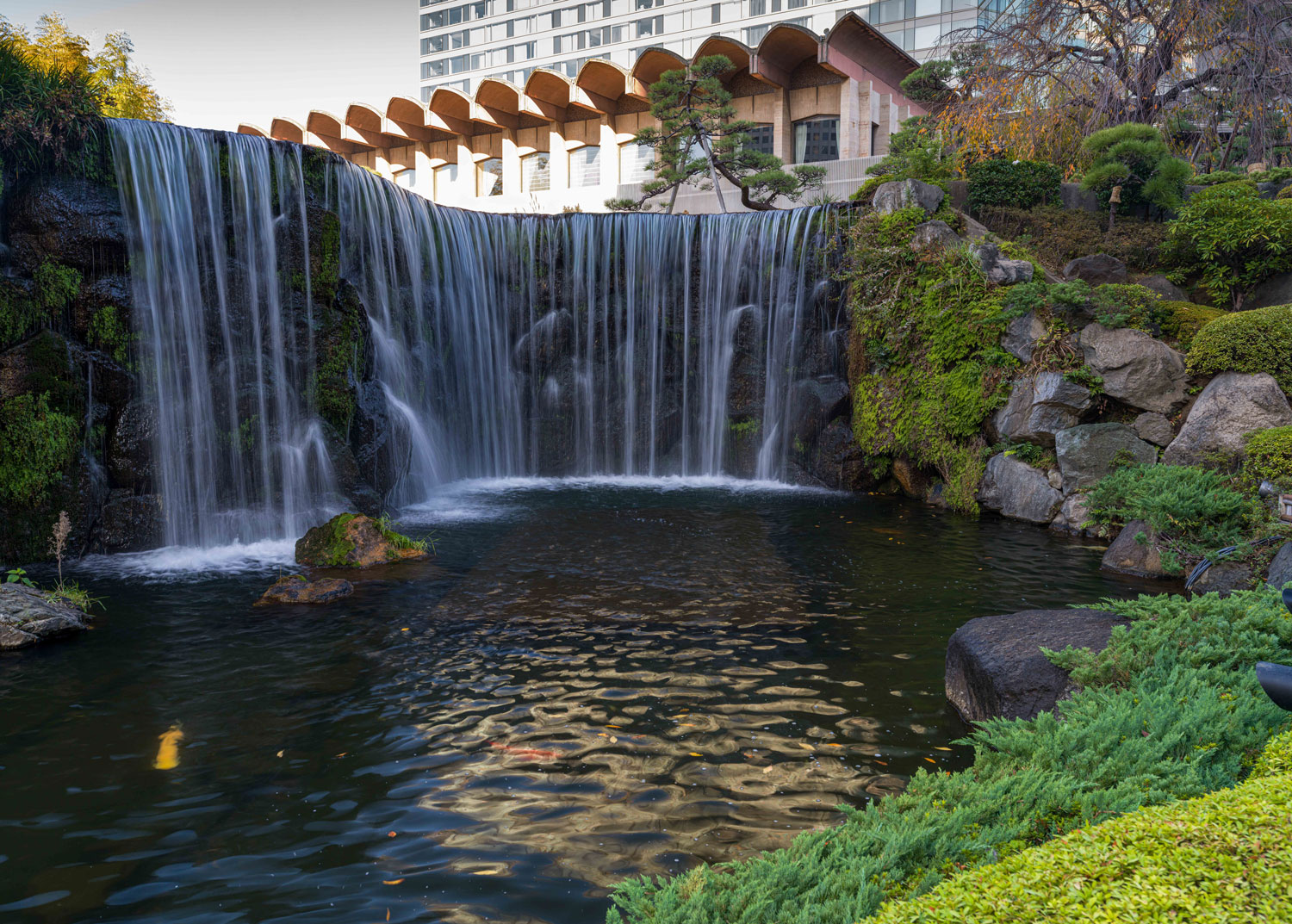
The garden itself, with over four centuries of history, is not treated as an amenity but as a living structure. Its pathways do not guide in a linear way, but unfold gradually, revealing perspectives that shift with movement and time of day. Water features, stone arrangements, and vegetation are composed with a precision that feels organic rather than designed, reinforcing the sense of continuity between built and natural environments.
What makes the experience particularly distinctive is how the hotel extends beyond its physical boundaries. Akasaka itself becomes part of the narrative — a district that does not seek attention, yet rewards observation. Traditional restaurants hidden within modern buildings, quiet streets that contrast with nearby urban intensity, and a general absence of visual noise all contribute to a more introspective stay.
Circulation within the property mirrors this urban logic. The New Otani functions almost as a micro-city, with internal routes, restaurants, and transitional spaces that allow movement without rupture. It is possible to remain within this system for extended periods, yet never feel confined — a reflection of a spatial culture where continuity is prioritized over segmentation.
Ultimately, the Garden Tower does not define itself through excess or immediate impact. Its strength lies in its ability to mediate — between city and garden, between movement and stillness, between contemporary scale and historical depth.
In a city as relentless as Tokyo, this form of balance is not simply a feature. It becomes the experience itself.
Project Focus
Editorial hospitality photography
Landscape, atmosphere, cultural context
Location
Tokyo, Japan
Status
Independent editorial study
No AI involved — all imagery photographed on location