
Borgo Antichi Orti
Assisi, Italy
Assisi, Italy
Borgo Antichi Orti
Assisi does not reveal itself all at once.
It settles slowly, through texture, light, and proportion.
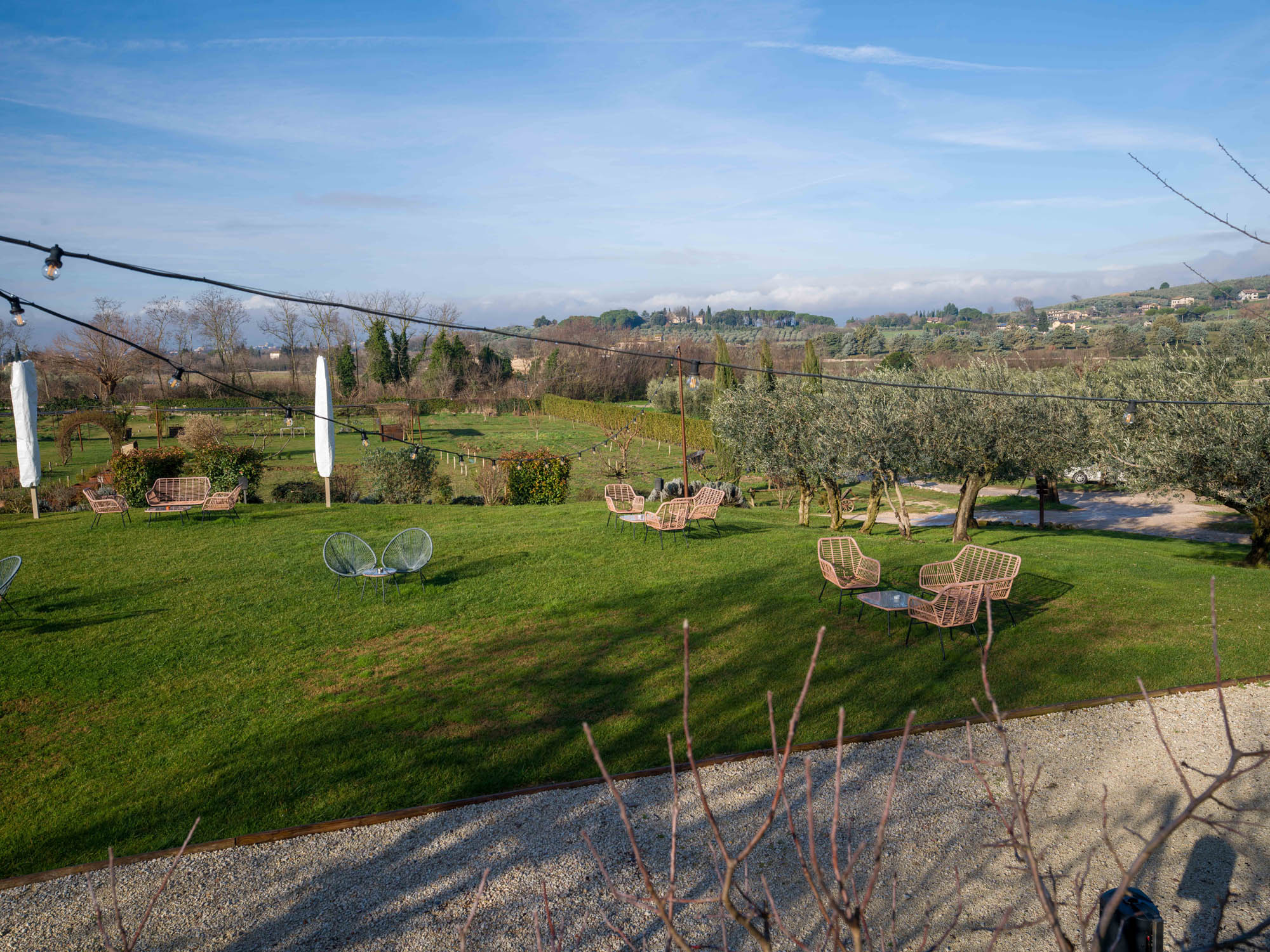
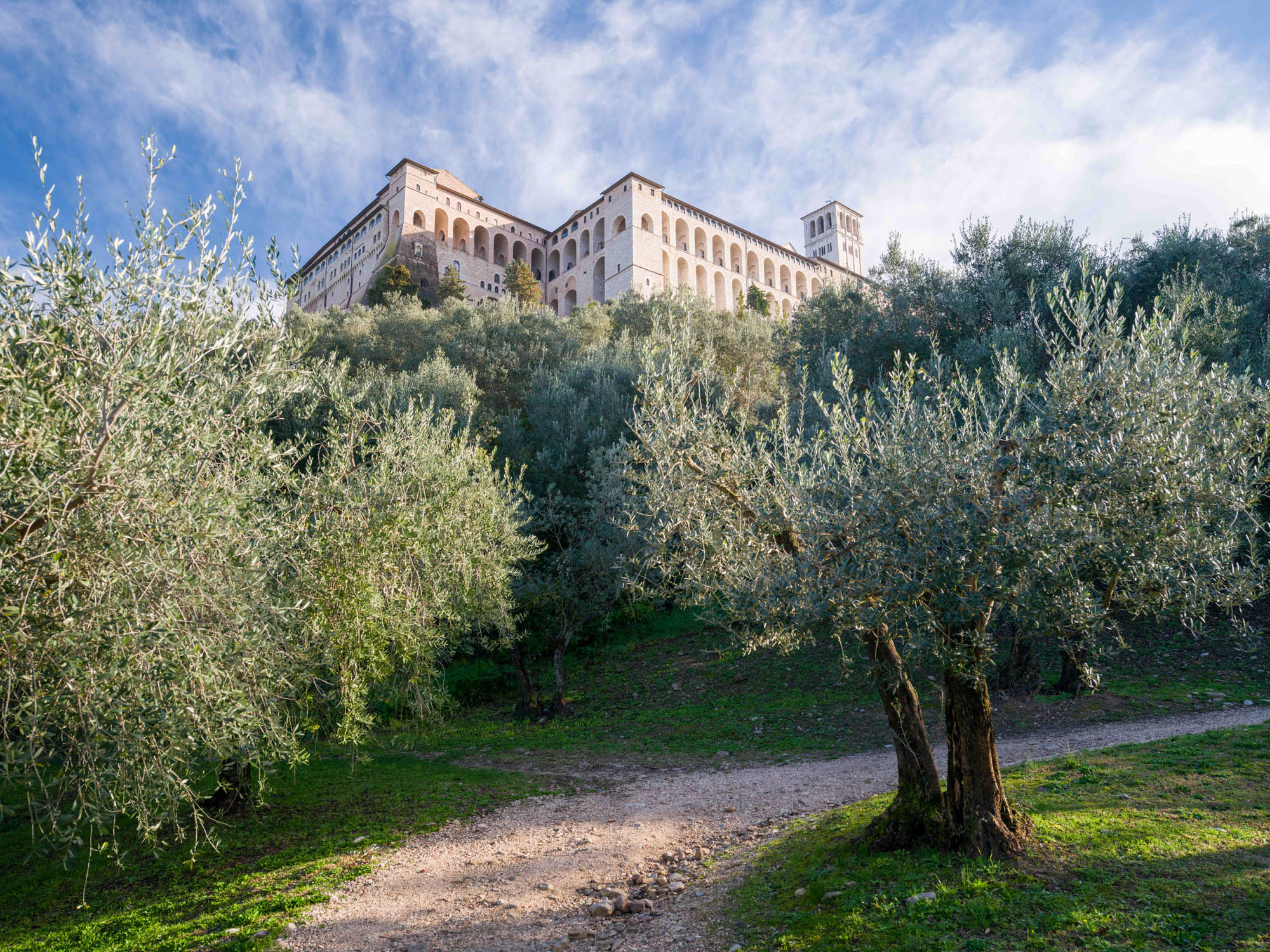
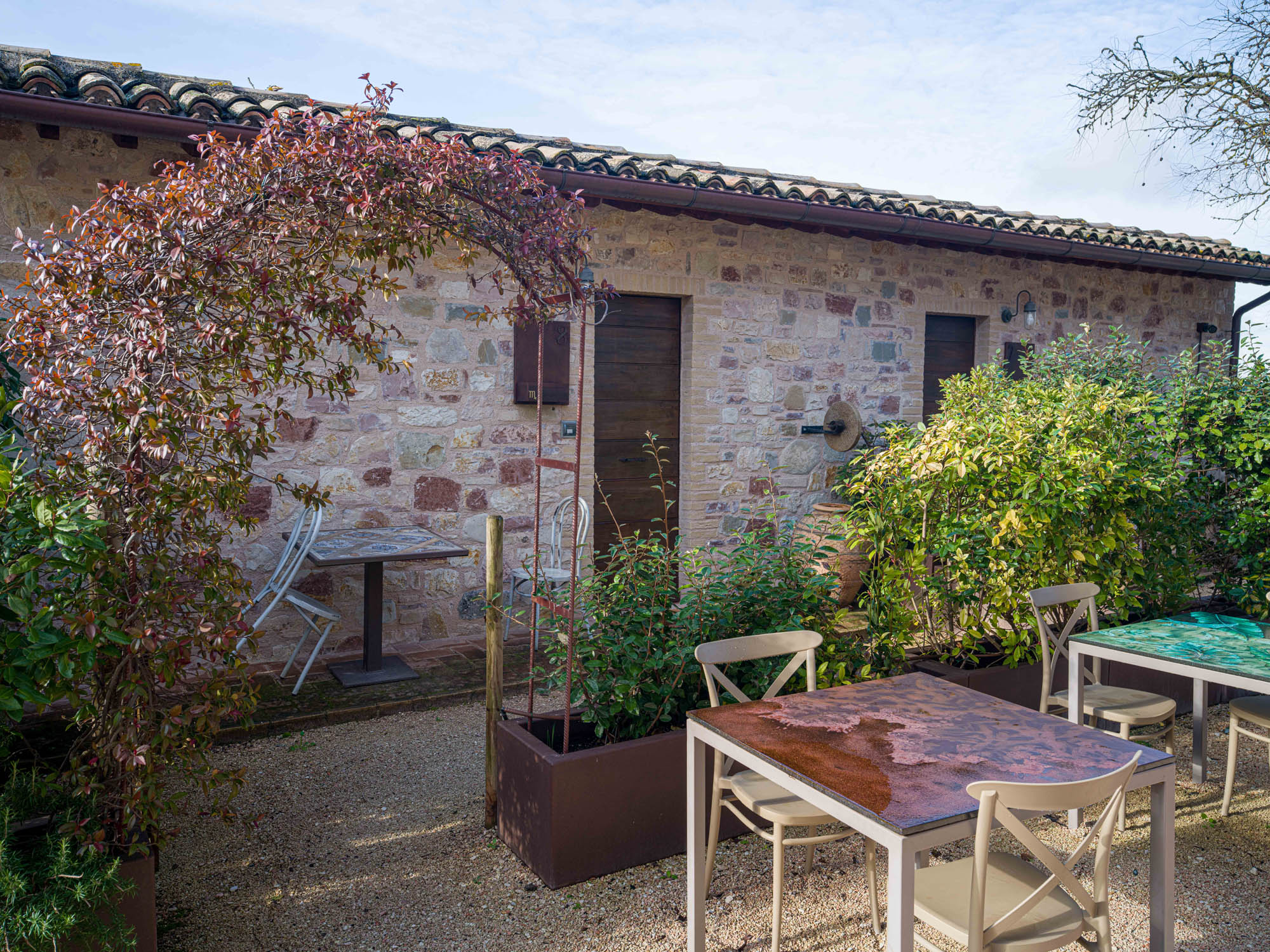
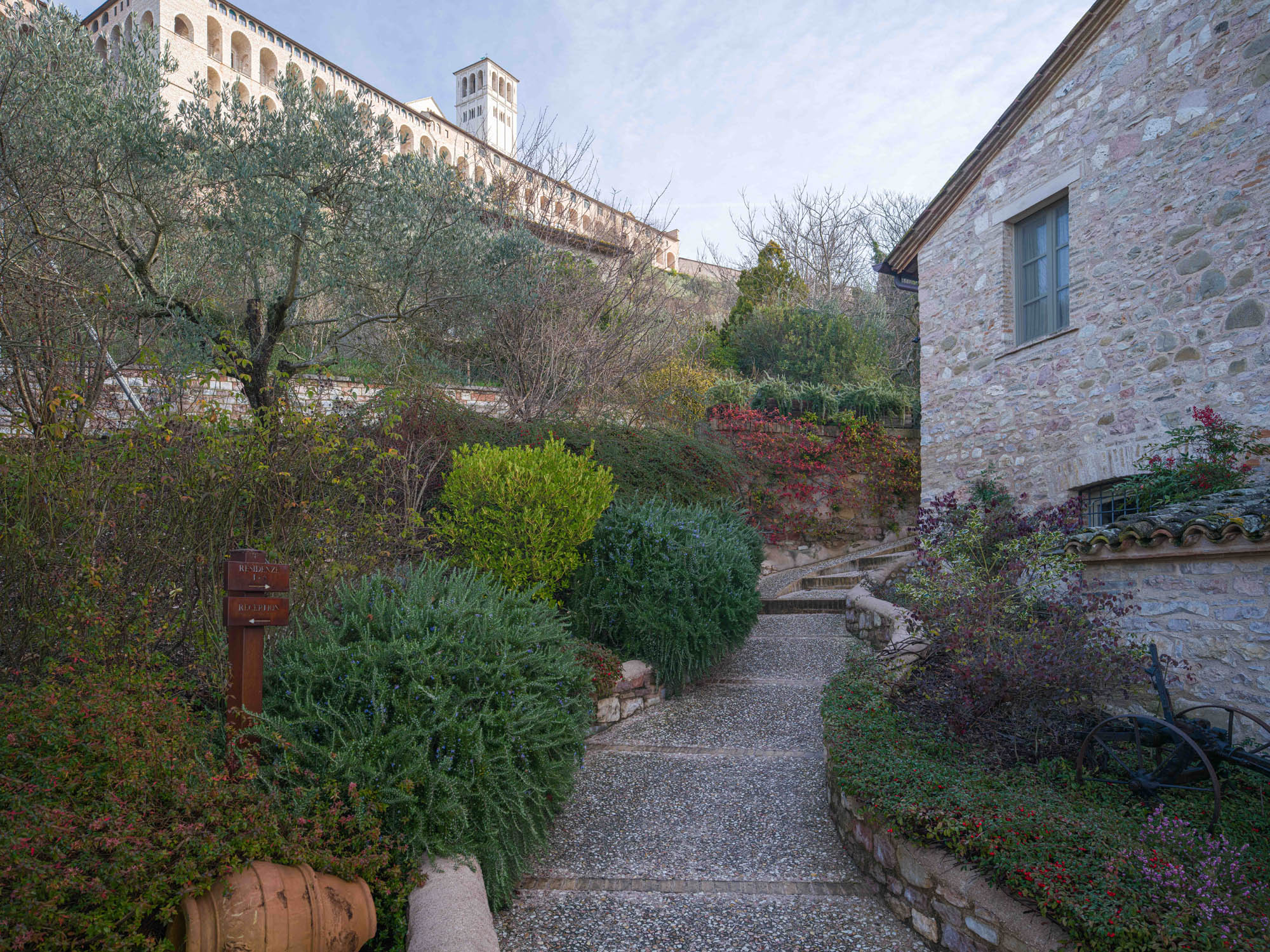
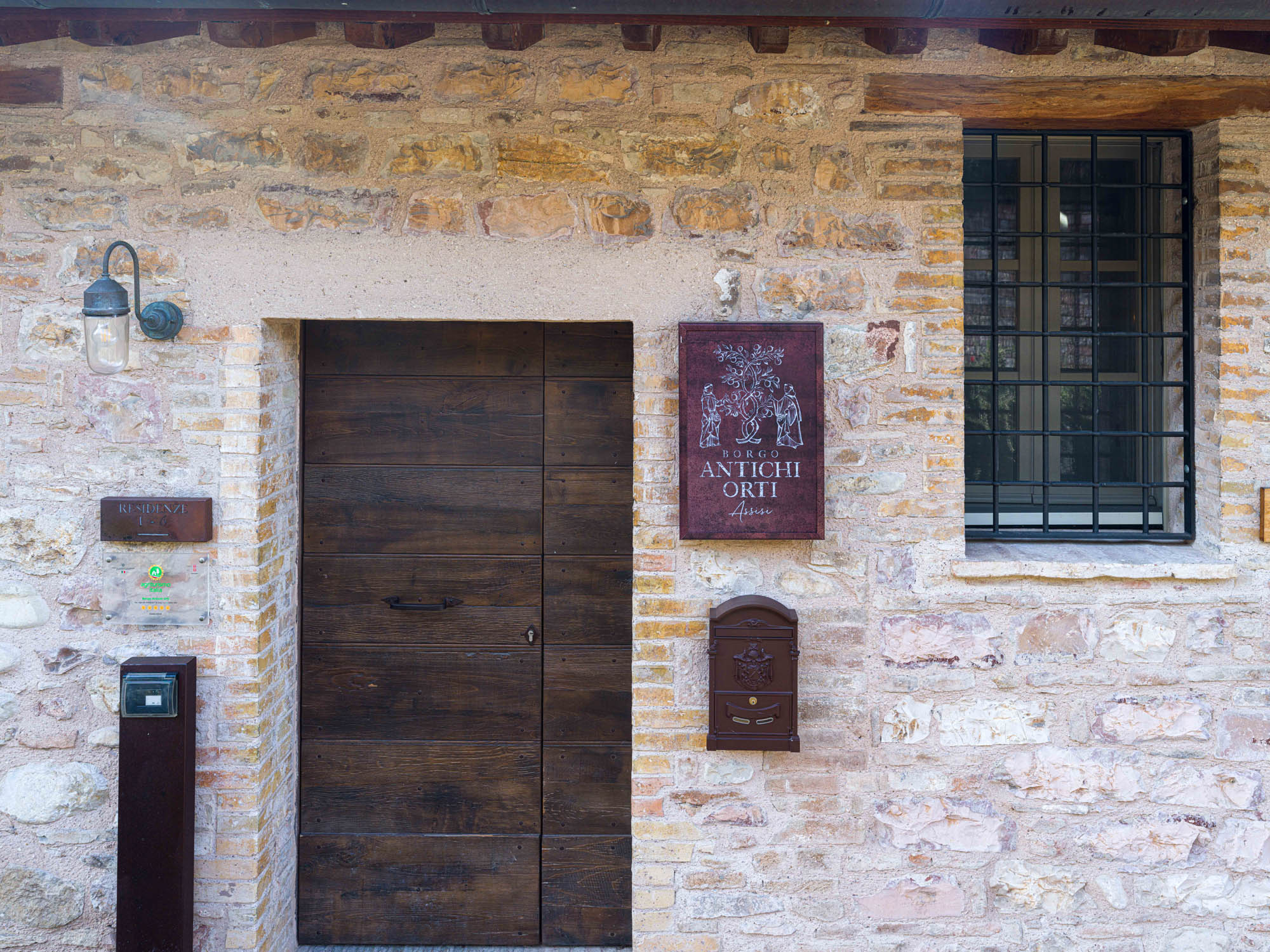
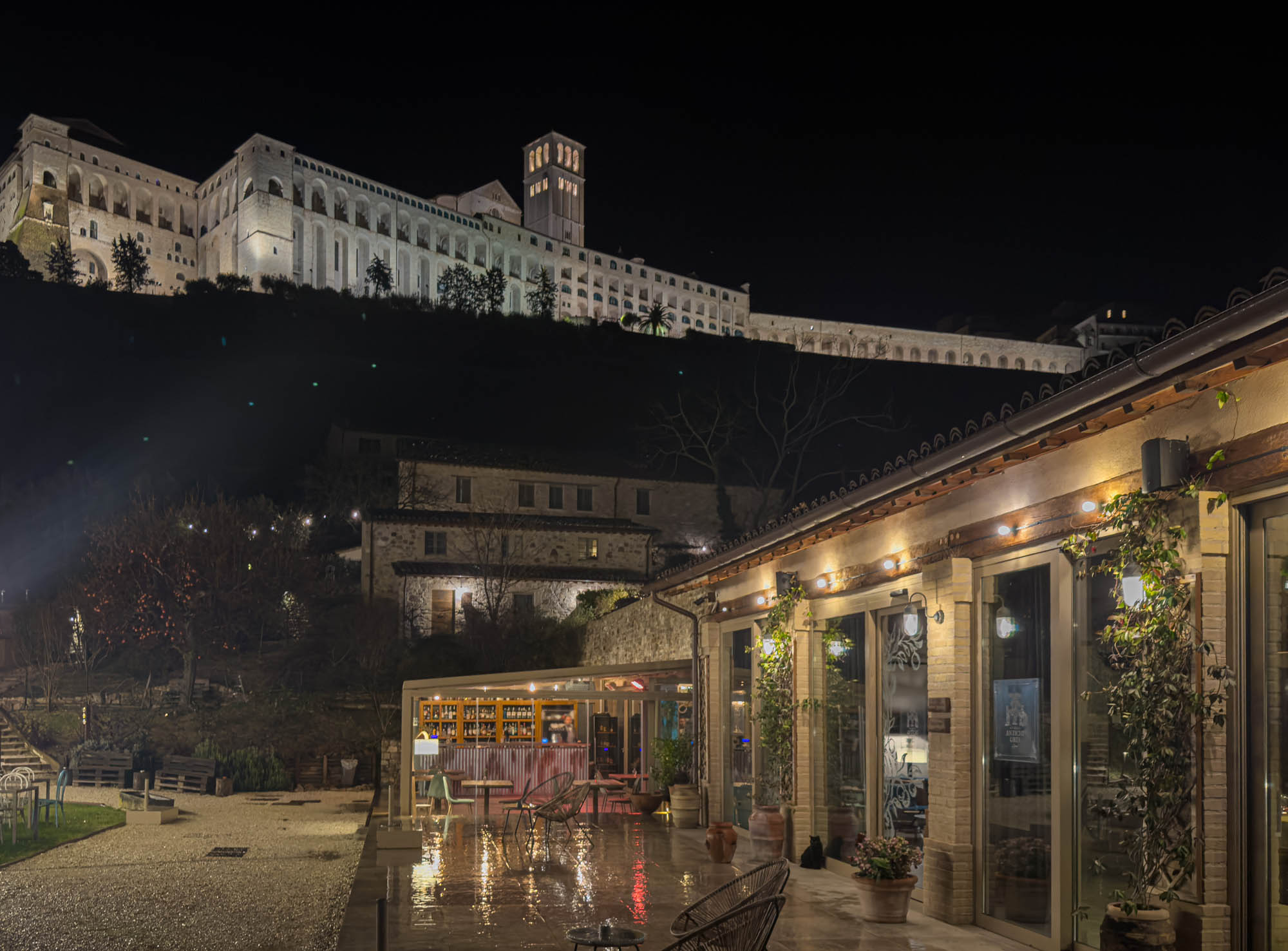
Set along the slope of the historic town, Borgo Antichi Orti Assisi does not attempt to reinterpret its surroundings. It follows them. The architecture is fragmented into smaller volumes, built in local stone, with low elevations that mirror the rhythm of the city rather than interrupt it. There is no single façade designed to dominate. Instead, the structure unfolds gradually, almost discreetly.
Movement through the space happens outdoors as much as indoors.
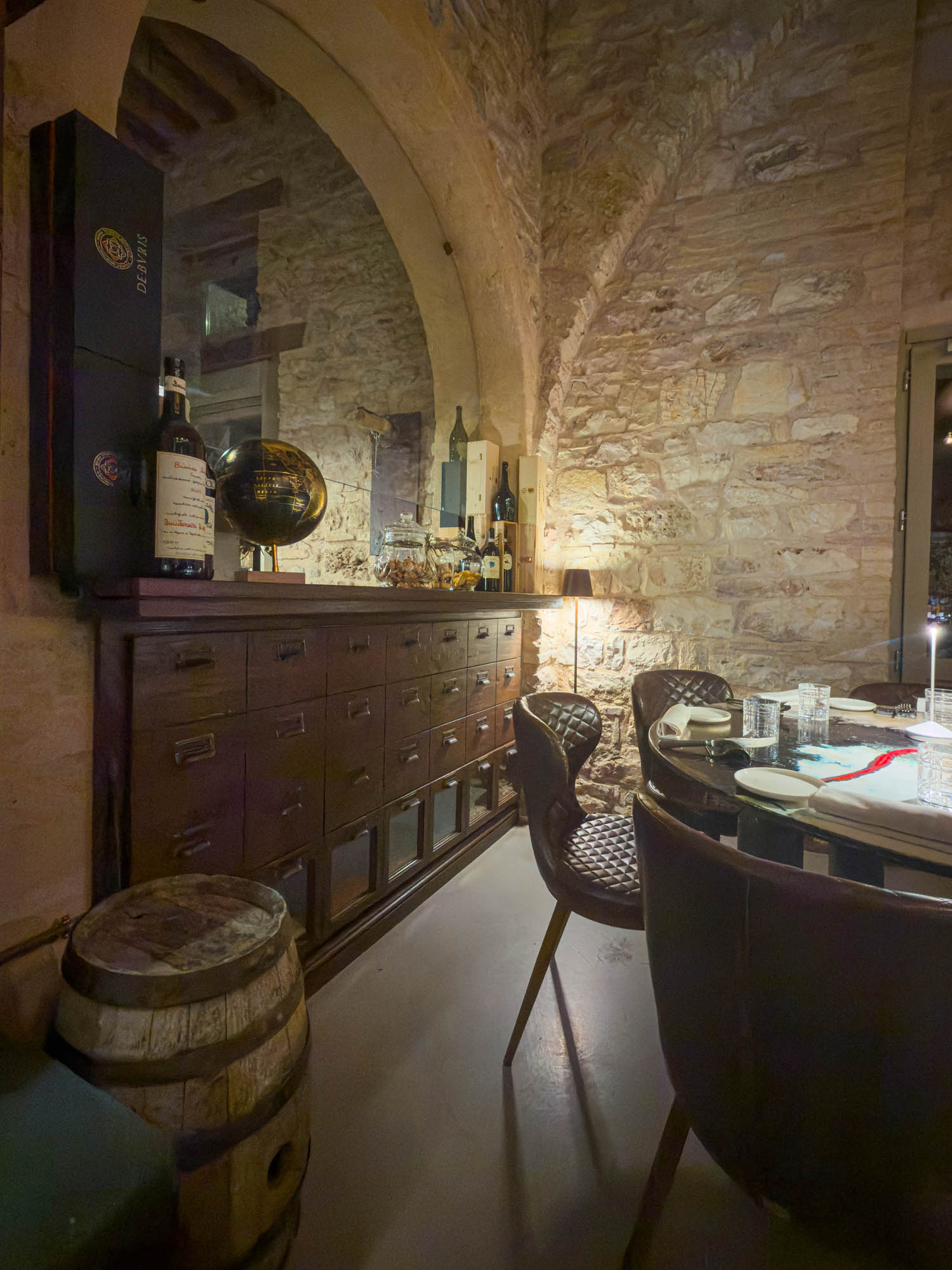
Narrow paths, internal courtyards, and transitional passages create a sequence that feels closer to a small village than to a traditional hotel layout. Nothing is overly directed. There are no forced axes or theatrical perspectives. The experience is built through continuity rather than impact.
The courtyards are central to this rhythm.
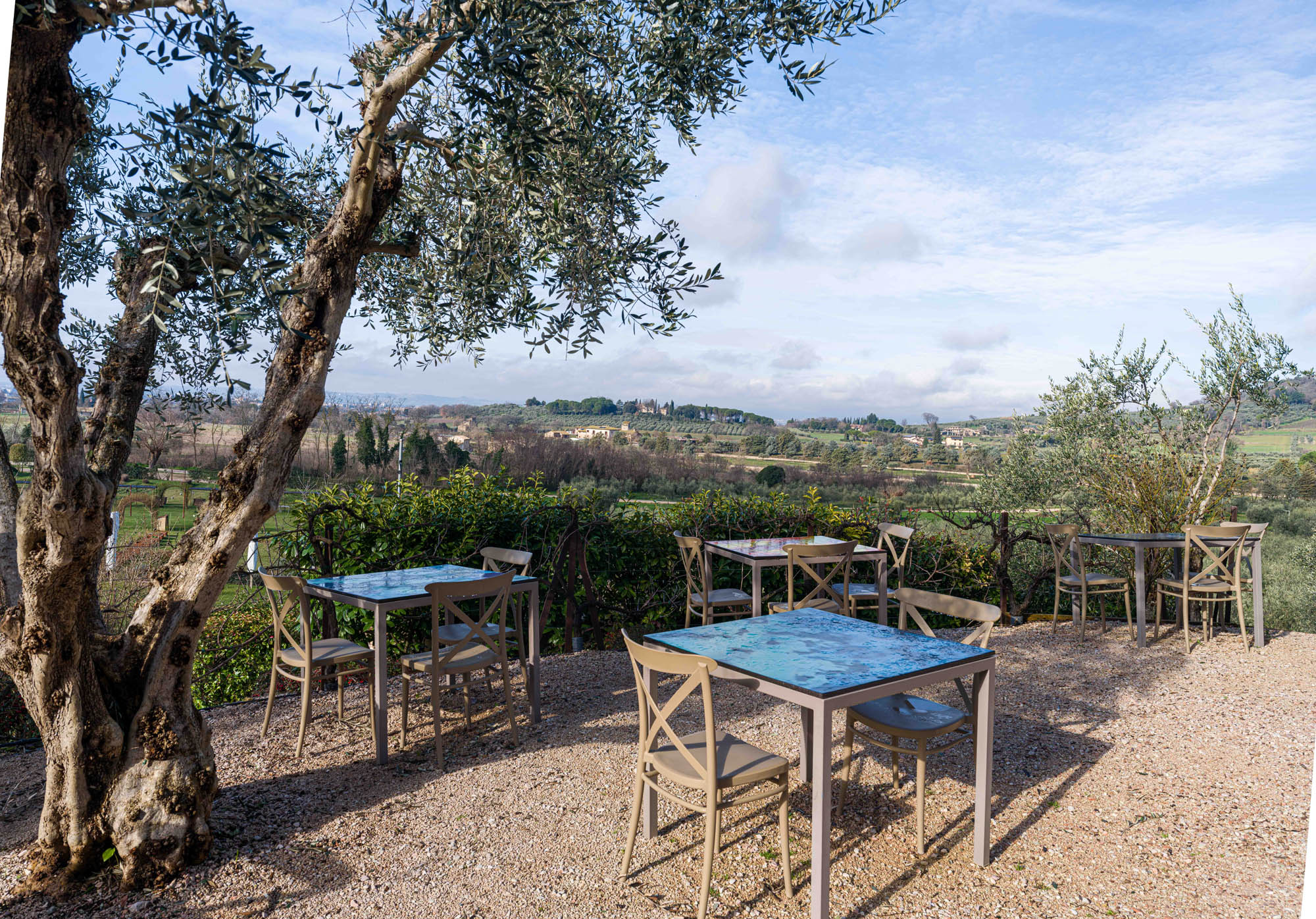
They are not designed as focal points, but as pauses. Stone surfaces absorb the light differently throughout the day, shifting from warm tones to cooler, more neutral shades. Openings between buildings reveal partial views rather than full panoramas, reinforcing a sense of immersion rather than distance.
Inside, the same restraint continues.
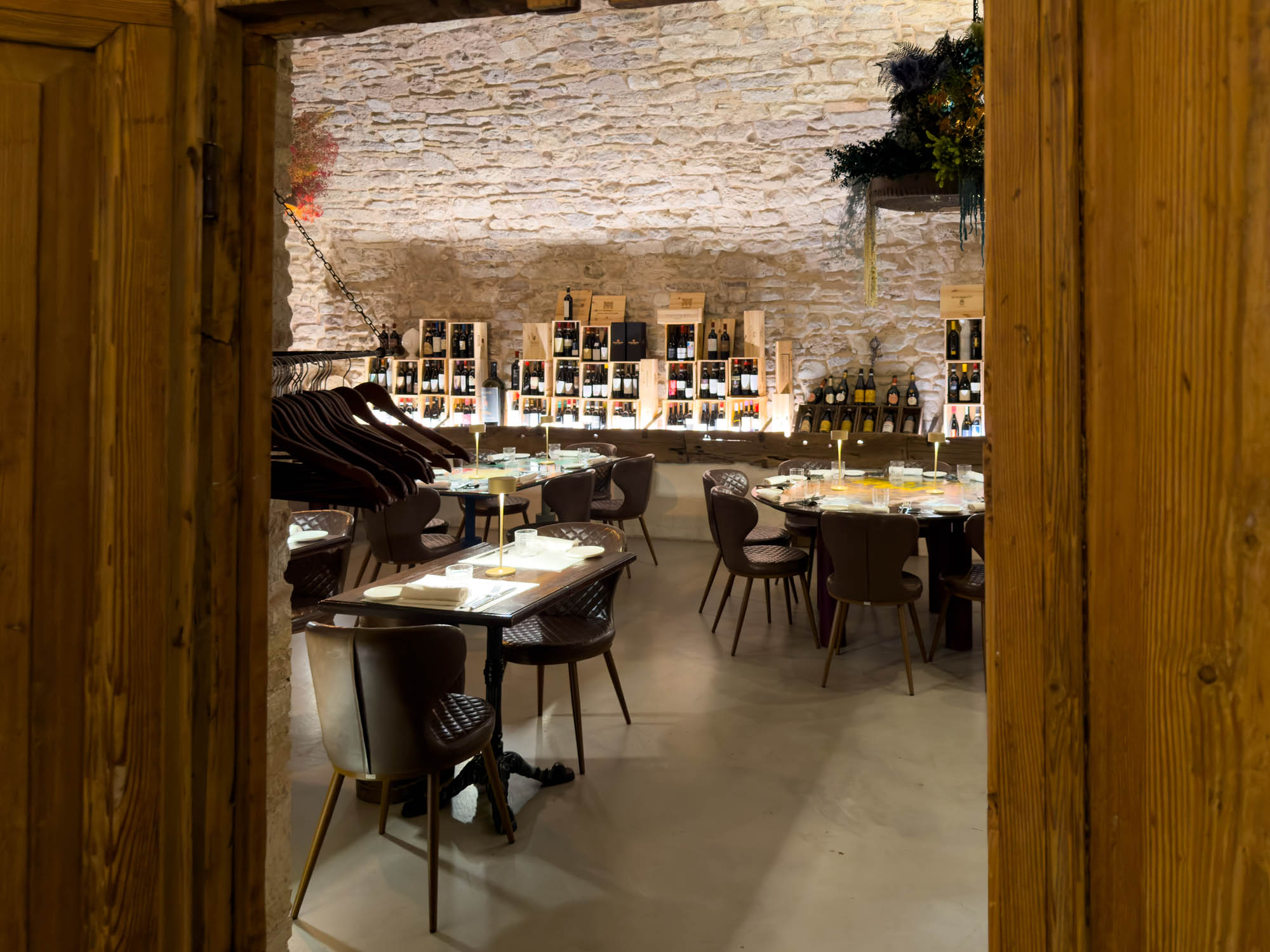
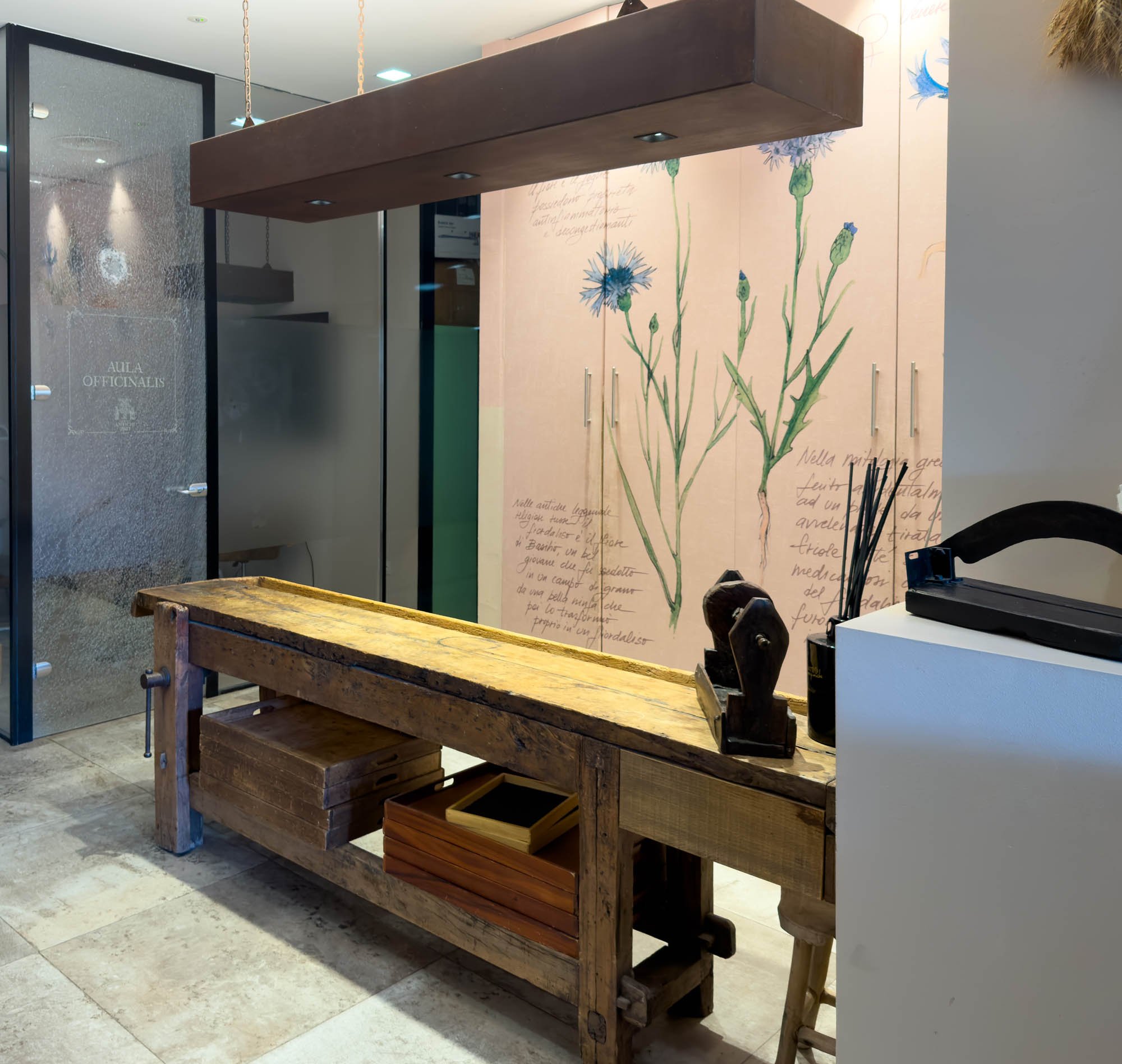
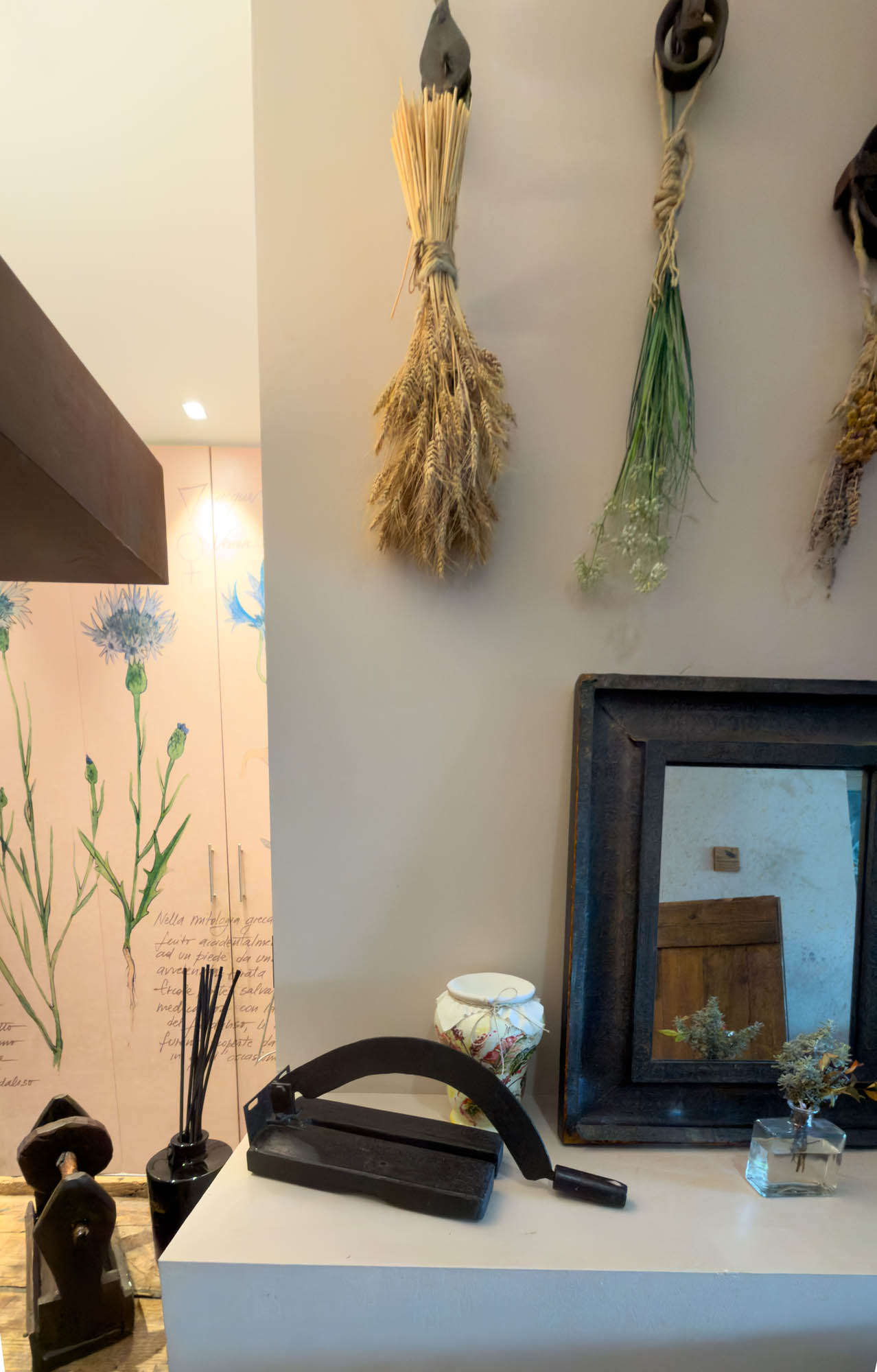
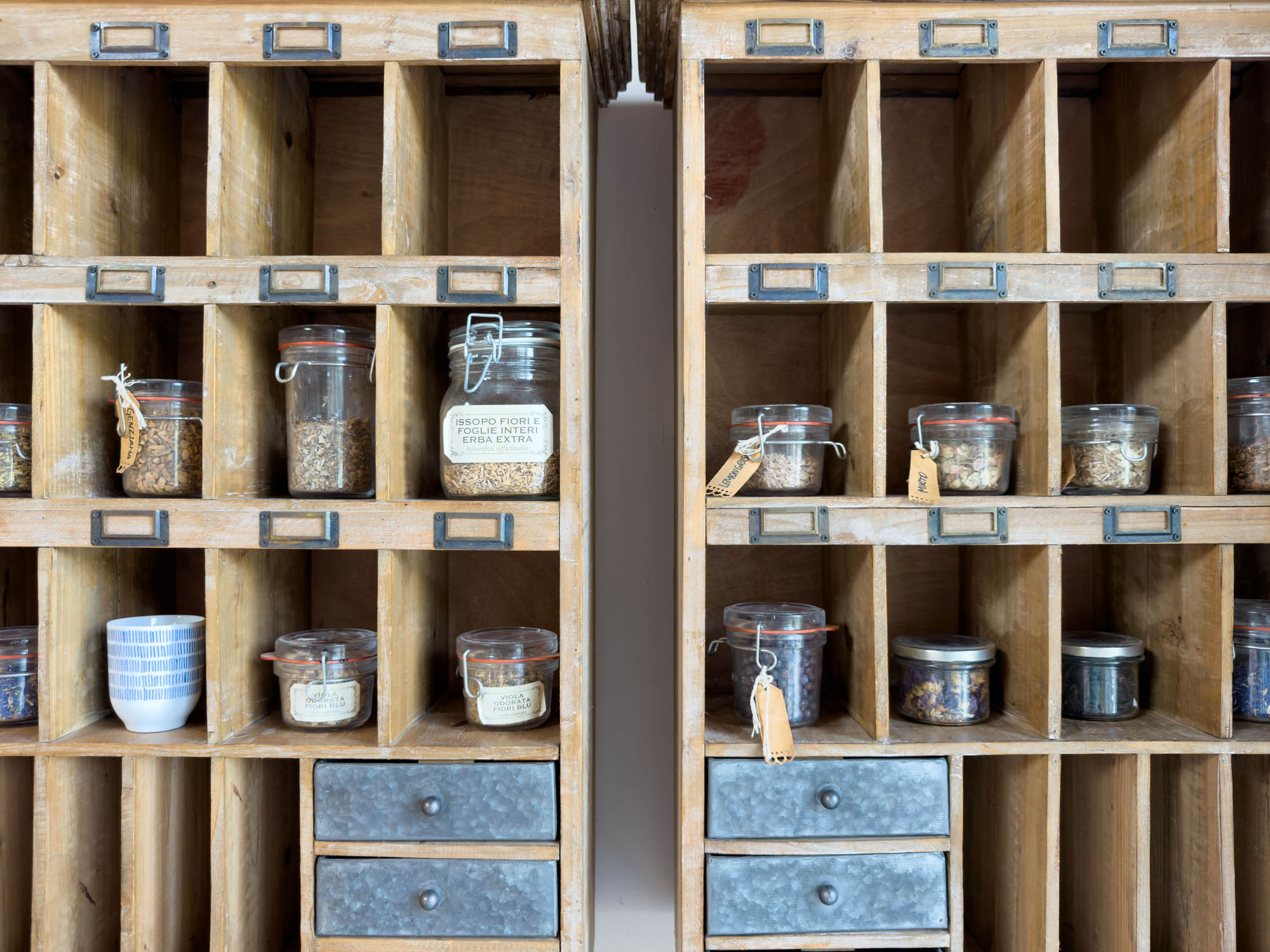
Materials remain consistent — natural, muted, and largely unprocessed. Light enters softly, often filtered, never dramatic. The interiors do not attempt to establish a strong visual identity. They remain intentionally understated, allowing the surrounding architecture and landscape to take precedence.
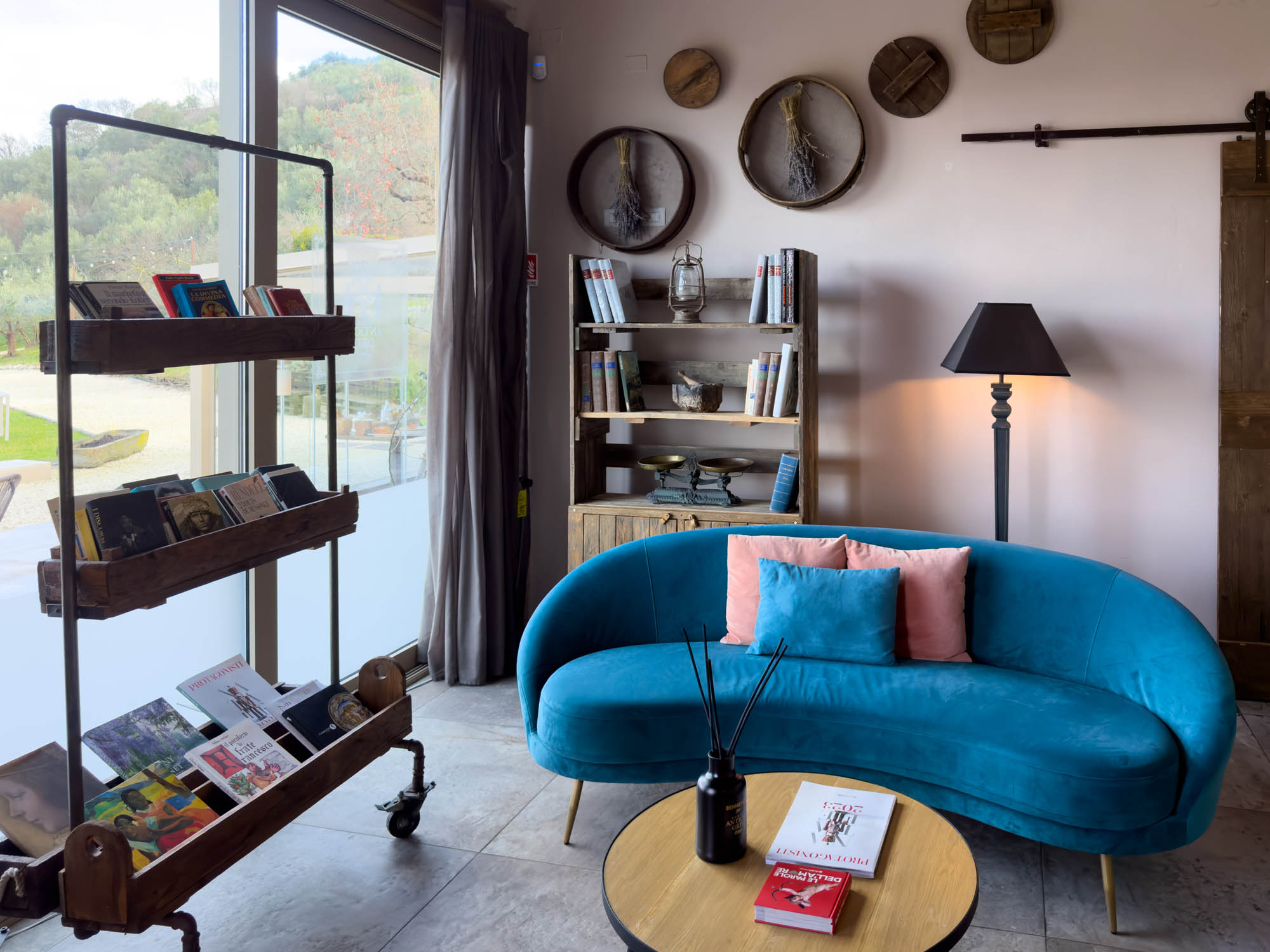
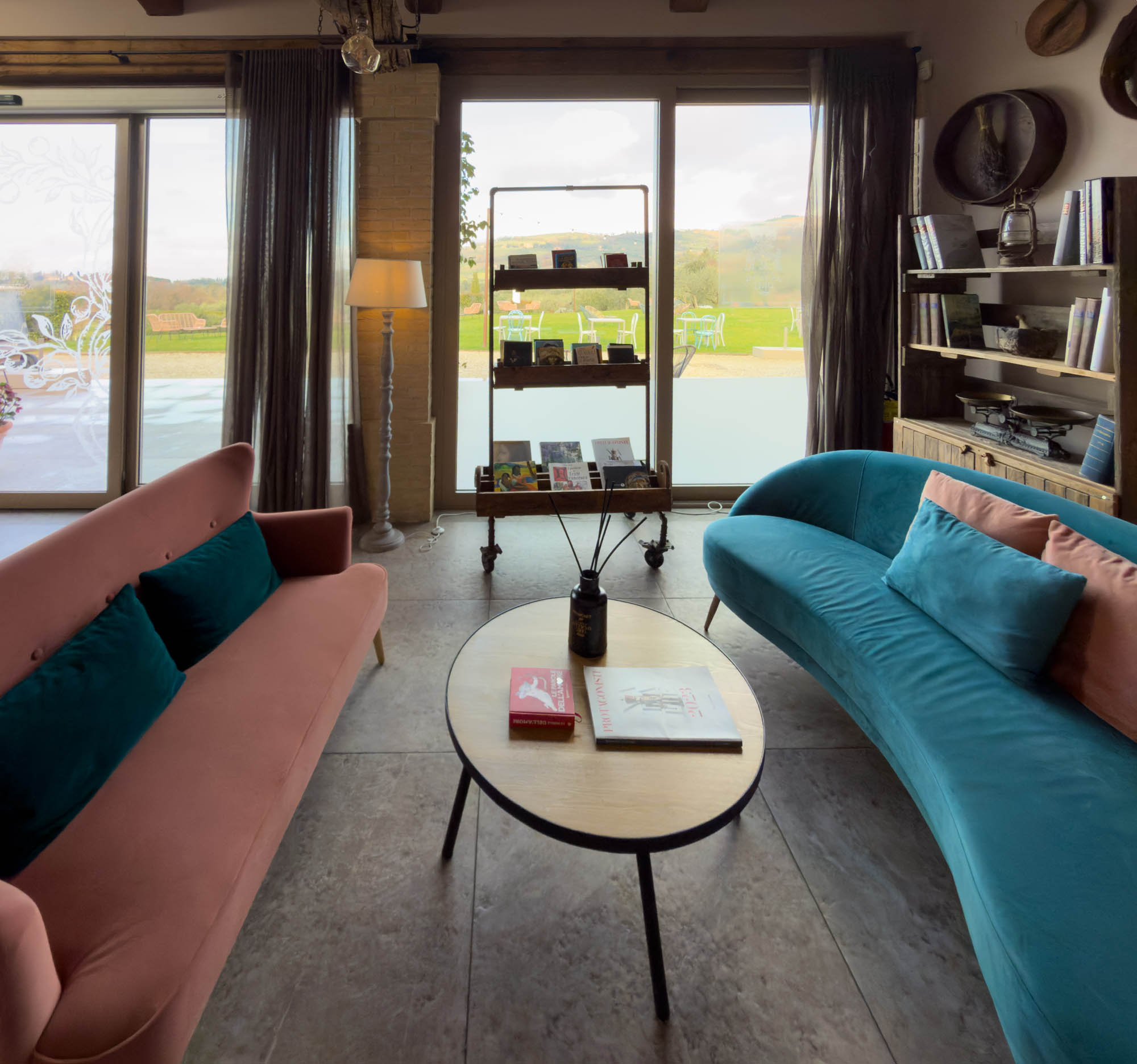
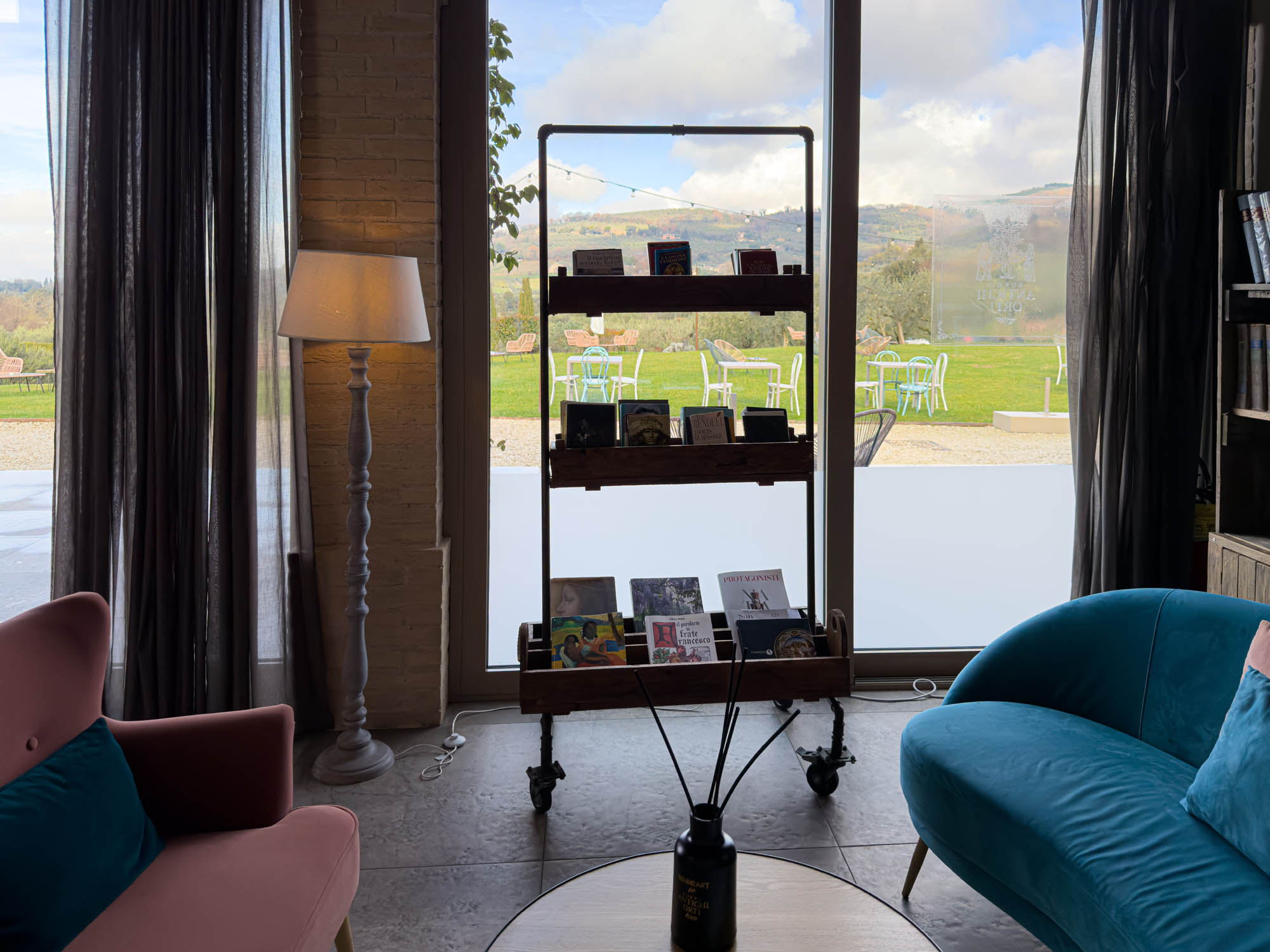
Even in the common areas, there is a noticeable absence of staging.
Furniture is present, but not arranged for effect. Spaces are usable, but not performative. There is no attempt to construct a visual narrative for the guest. Instead, the environment remains open, almost neutral, leaving room for observation rather than direction.
This approach may feel minimal at first.
There are no iconic elements, no immediate visual anchors. But within the context of Assisi, that absence becomes a form of coherence. The property does not compete with the city’s identity. It aligns with it.
It doesn’t seek attention. It allows time to do the work.
And in a place defined by stillness and continuity, that choice feels deliberate.
Project Focus
Editorial hospitality photography
Landscape, atmosphere, cultural context
Location
Assisi, Italy
Status
Independent editorial study
No AI involved — all imagery photographed on location